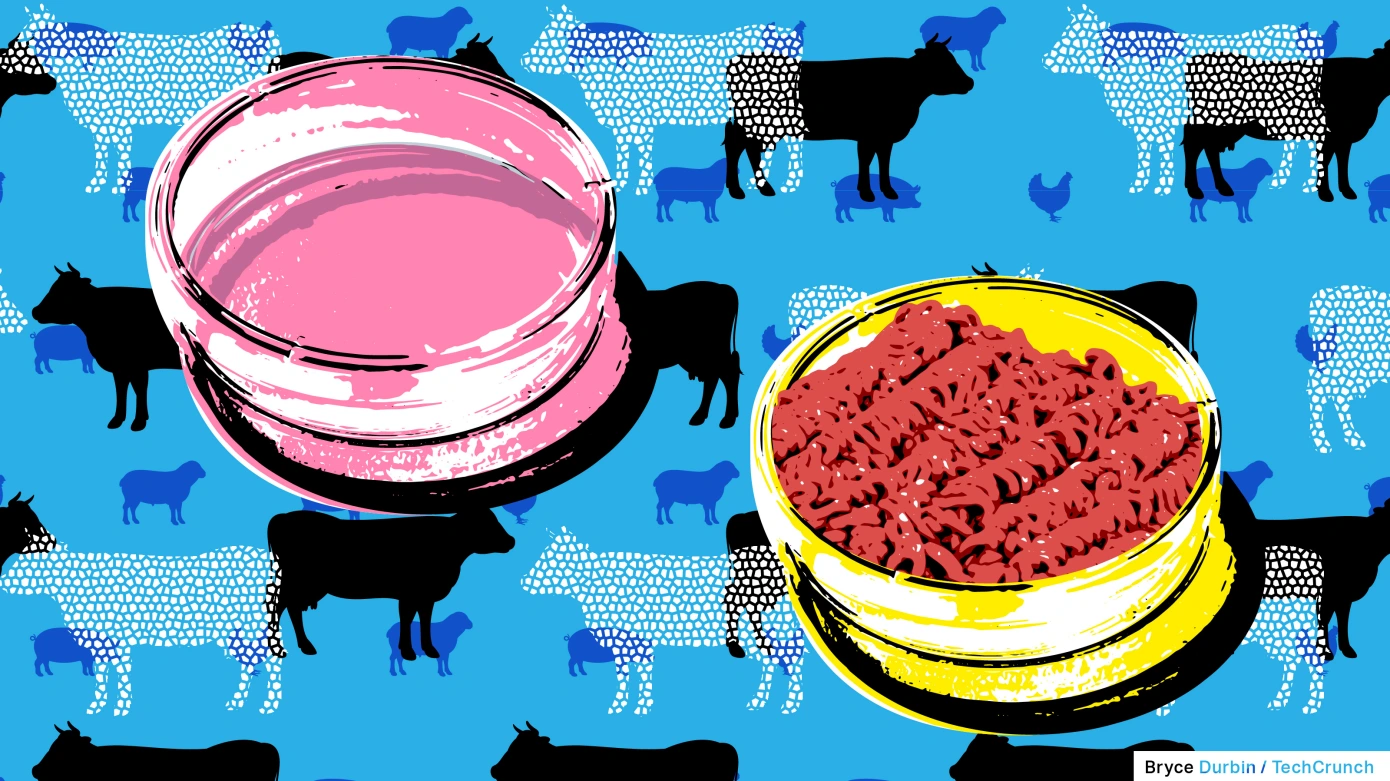


Eating less meat by substituting with plant-based alternatives is viewed as one of the most crucial steps we can take to reduce our impact on the environment. But government naming regulations are serious barriers to their entry into the South African food system.
South Africa is a country that is sorely lacking dynamism, competitiveness, and sustainability and facing worsening levels of inequality, unemployment, and poverty that are slowly exposing tears in the social fabric.
Moreover, much of the economy’s production continues to originate from low-productivity and low-value-adding industries inherited from the apartheid era. Contributing to these ills is that too many of the economy’s essential sectors are concentrated and subject to the decisions of a small number of lead firms.
This powerful group of firms can utilise their market power to shape their industries, lobby for regulations, and maintain the status quo by investing in current production methods to protect themselves and their profits.

Research by the Centre for Competition, Regulation and Economic Development (Ccred) has shown that these actions on the part of large and lead firms result in pervasive barriers to entry. These barriers limit opportunities for new entrants to participate in these markets and industries effectively.
The South African food system is no stranger to barriers to entry and the adverse outcomes of attempts to maintain and deepen them. Historically, large and lead firms in the South African food industry have favoured the accumulation of unproductive assets and the acquisition of competitors rather than investing in expanding their existing operations and capacity and exercising their power to lobby for tariff protection against imports. The impacts of these actions and decisions always eventually harm consumers.
Opening the South African economy through regulations to reduce barriers to entry and participation will yield several benefits. Most notably, an open, inclusive, and competitive economy will enable critical diversification of our export basket and improve our resilience to future external and internal shocks.
These changes will also move the economy toward one that is structurally transformed and serves the interests of its population and not those of economically powerful large firms and industries.
If we are to achieve a genuinely open economy that favours growth and development in South Africa, we need to properly understand the nature of the competitive rivalry and the crucial role that disruptors play in igniting rapid and necessary changes in undynamic industries for the good of the environment and consumers.
For example, Tesla is widely accepted as igniting the mainstream acceptance and increased demand for electric vehicles. However, Tesla’s rise was not spontaneous. Instead, the US state embraced an entrepreneurial and regulatory state role through the provision of loans and other regulation assistance that paved the way for Tesla’s disruption in the global automotive industry.

In South Africa, meat and dairy are two noted industries that exhibit high degrees of concentration and are dominated by multinational corporations that control who can access these markets and what they can produce.
The chicken industry, for example, is dominated by two large producers (RCL Foods and Astral Foods), who produced 46% of the total output in 2020 combined. Owing to this concentration, the firms in these industries have been found to exercise their market power to ensure their market shares are not affected by alternative products and new entrants.
This market power that these industries possess was facilitated and has continued to be supported by government subsidies, protection, and support to ensure that these industries survive competition and shocks, given that South Africa is considered food insecure and faces food price inflation regularly as a result of social, economic, and political instability.
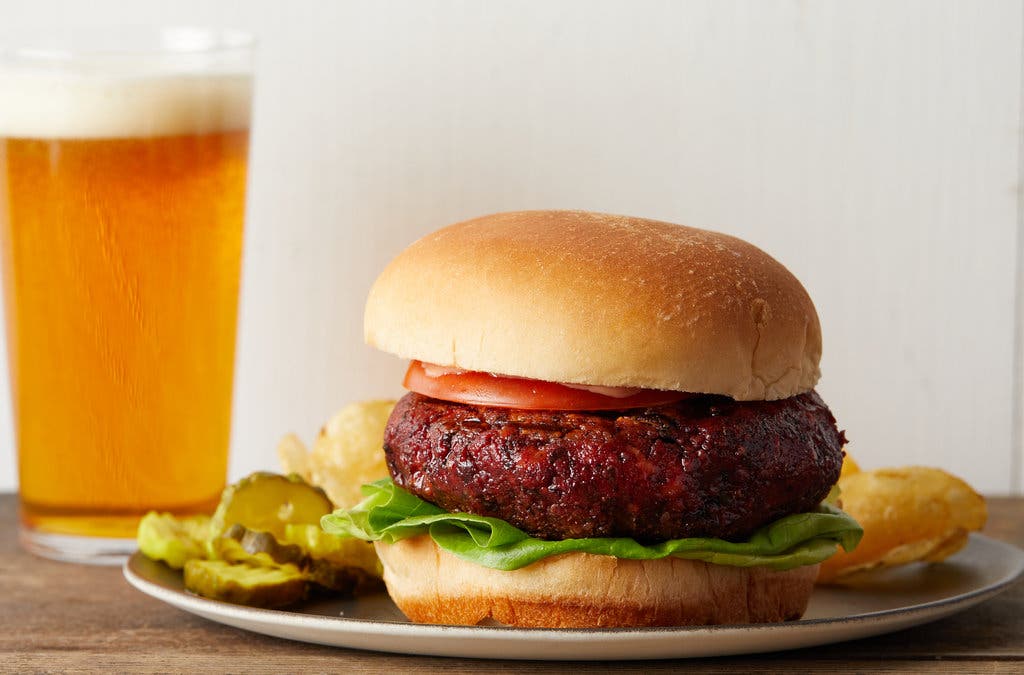
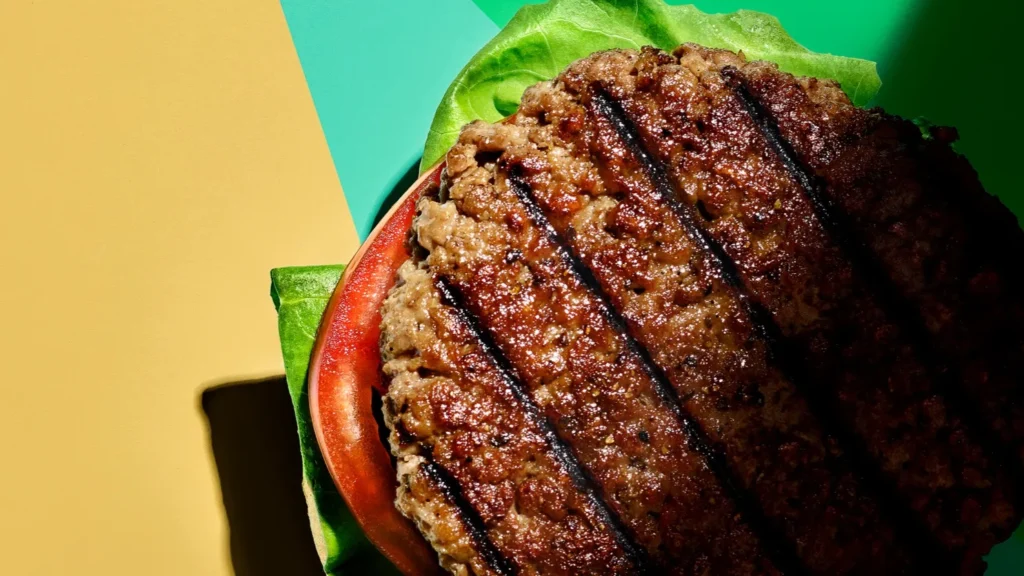
A recent example of this exercise of market power has resulted in a communication by the Department of Agriculture, Land Reform and Rural Development (DALRRD) declaring the use of product names (such as burger, steak, sausage, biltong, nuggets, ribs, and boerewors) reserved for meat products as illicit by processors, importers, and retailers of meat analogues.
Similar cases are being seen in countries like France, Germany, and the US. The reasons for banning meat and animal product names on analogue products are often hidden in emotive headlines such as “consumer protection” and “fair trade”.
South African plant-based food companies such as Fry’s Family Foods and ProVeg have condemned the move to remove the use of naming standards associated with meat products, which will be accompanied by seizures of products, causing significant losses for the sector.

These regulations are in response to the massive growth that plant-based meats and other alternative products such as milk have enjoyed a monumental rise to prominence during the last decade. This prominence of plant-based is expected to grow by 19.3% between 2022 and 2030 despite recent stagnation as more companies look to enter the market.
The growth in popularity is primarily driven by consumers increasingly viewing plant-based products as viable alternatives to eating traditional animal-based products. This entails switching from “Western” dietary practices where meat and other animal products feature predominantly and have become a marker of many societies’ identities.
These reasons are often based on either health or climate considerations — or a combination of these — and perhaps, to a lesser extent, objecting to the consumption of animals and animal by-products on ethical and moral grounds.
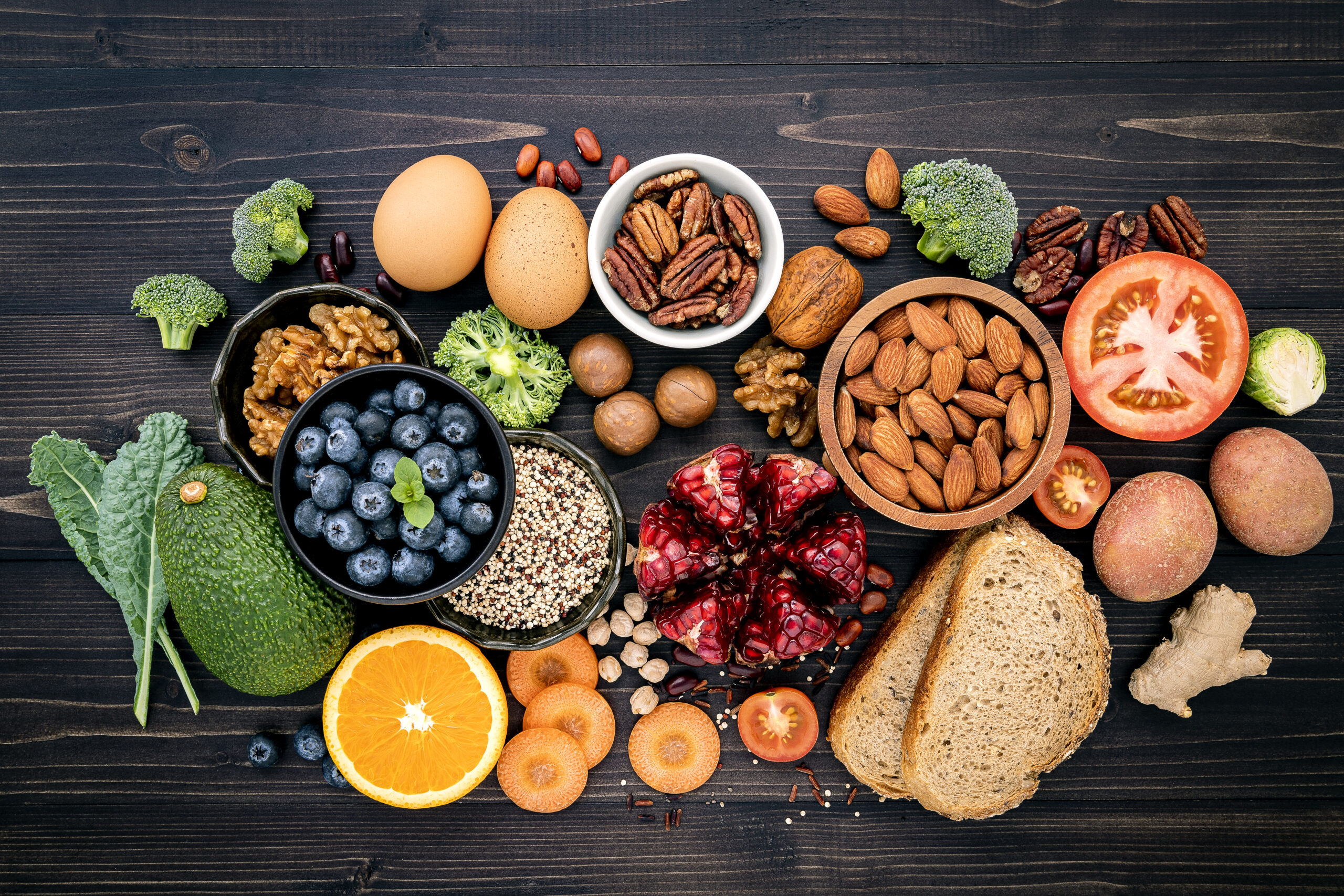
There is clear evidence that the proliferation of plant-based alternatives and analogues benefits our health, the climate, and the economy by creating potentially high-value adding jobs.
From a health perspective, an ever-growing number of studies into the effects of animal-predominant diets highlight the negative consequences of consuming meat and other animal products.
For instance, one study found that high meat consumption is correlated with obesity, heart disease, metabolic syndrome, and gastrointestinal cancers. This is backed up by other research touting the lower mortality risks and improved overall health outcomes from consuming plant-based diets.
Increasingly, nutritional scientists such as Simon Hill and doctors like Dr Neal Barnard and Dr Michael Greger are collating and producing research demonstrating the positive case for a plant-based diet.
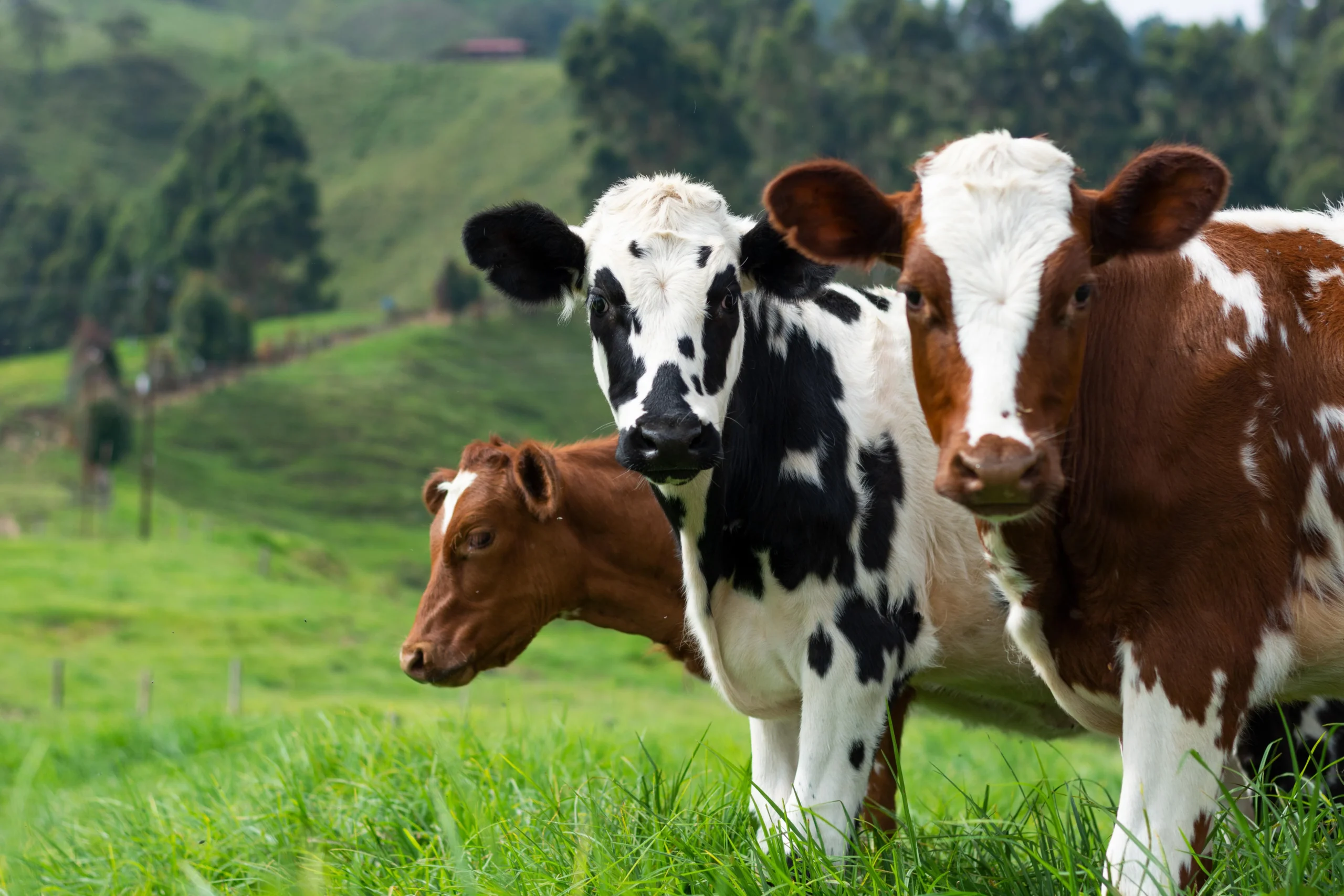
In terms of the impact on the climate, a growing body of research points out that the production of animal products and meats is a major contributor to climate change. Around 40% of greenhouse gases (GHGs) are due to agriculture, deforestation, and other land-use changes. Most deforested land is used for farm animals such as cattle, which contributes significantly.
Another study found that meat production GHG emissions is nearly double that of plant-based alternatives. Moreover, most agriculture cultivated worldwide is used as nutrient- and calorie-dense feed for animal farming, favouring the profits of firms that dominate entire food systems and value chains rather than eliminating world hunger and food insecurity.
Eating less meat by substituting for plant-based alternatives is thus becoming viewed as one of the most crucial steps we can take to reduce our individual and collective impact on the environment.
Leveraging these reasons, many consumers globally and locally view voting with their wallets as a way to lessen their impacts on the environment and themselves. Achieving these goals has never been easier today with the introduction and proliferation of plant-based meat and animal-product alternatives lining the shelves and freezers of supermarkets across South Africa.
However, eliminating the negative impacts of animal farming and the production of animal-based products may be a struggle unless deeper systemic issues relating to the market power and influence of the meat and dairy industries over the entire food system are addressed.
Russia’s ongoing invasion of Ukraine has exposed severe weaknesses in the global food system, throwing many African countries into worsened food insecurity and hunger. To mitigate these effects, South Africa should look for alternative food sources that can be produced locally and exported regionally.
Therefore, instead of looking to limit the reach and disruption that plant-based product companies offer, the South African government should embrace the plant-based food industry as a necessary pillar for achieving a structurally transformed, economically inclusive, empowered, and food-secure society that is at the same time healthy, environmentally-conscious, and ethical.
Hindering the spread of plant-based products is a step in the wrong direction.
Like in the case of Tesla, the South African government should embrace a more proactive entrepreneurial and regulatory state agenda that seeks to nurture burgeoning disruptors in many industries — food included.
However, what these current and potential future regulations by DALRRD and other government entities amount to are state-erected barriers to entry and participation. These barriers only serve the interests of established large and leading firms by protecting them against competition from smaller and more dynamic firms to introduce necessary disruptions in the South African economy.
We need an honest conversation about the influence and dominance of the South African meat and dairy industries on the government, the markets they supply, and the barriers to entry that arise from this dominance.