


• Home
  • Team
  • World
  • Cultivated meats
Friday, December 5, 2025
No Result
View All Result
  • Login
Cultivated Food Article and News
  • Cultivated foodTrend
    • All
    • Alternative Meat
    • Alternative Protein
    • Article
    • Cultivated meats
    • Lab-grown meat
    • Plant-based food
    • Seafood
    • Short News

    Chicken Road 2: Il suono che guida la guida silenziosa

    A rapid expansion of the cultured meat market is meeting consumer demand

    Lab-grown meat is in high demand in the APAC region

    The Alternative Protein Revolution: Is India Ready?

    The Alternative Protein Revolution: Is India Ready?

    The Future of Food by 2025

    The Future of Food by 2025

    Cultivated meat is scaled up-and its price is dramatically reduced

    A new partnership with Cult Food Science is bringing innovative meat products to market

    Public Consultation Seeks Feedback on Potential Approval of Cultivated Meat in Australia

    Public Consultation Seeks Feedback on Potential Approval of Cultivated Meat in Australia

    Indians get a taste of cultivated meat at Biokraft Foods

    Indians get a taste of cultivated meat at Biokraft Foods

    A rapid expansion of the cultured meat market is meeting consumer demand

    A rapid expansion of the cultured meat market is meeting consumer demand

    Achieving multibillion-dollar growth for lab-grown meat with Sallea

    Lab-grown meat investments by Asian countries could revolutionize the industry

    • Alternative Meat
    • Alternative Protein
    • Article
    • Cultivated meats
    • Lab-grown meat
    • Plant-based food
    • Seafood
  • World
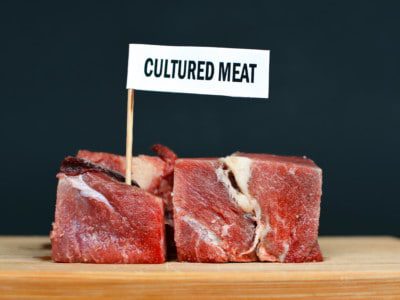
    AdobeStock_2854144561

    “We’re reimagining meat to spare land and resources, but never flavour” Nicolas Morin-Forest said.

    head-74

    Plant-Based Meats Market Is Booming Worldwide | Gold&Green Foods, Maple Leaf Foods, Amy’s Kitchen, Garden Protein International, Quorn Foods and more

    brown-and-white-cow-on-green-grass-field-during-daytime

    The meat paradox: how your brain wrestles with the ethics of eating animals

    Are chicken feathers a greener alternative to polyester and nylon?

    Are chicken feathers a greener alternative to polyester and nylon?

    The Best Veggie Burgers Are Made With Vegetables

    The Best Veggie Burgers Are Made With Vegetables

  • Science
  • Regulations
  • Opinion
  • Short News
  • Business
  • Cultivated Seafood
  • EVENT
  • Technology
  • Cultivated foodTrend
    • All
    • Alternative Meat
    • Alternative Protein
    • Article
    • Cultivated meats
    • Lab-grown meat
    • Plant-based food
    • Seafood
    • Short News

    Chicken Road 2: Il suono che guida la guida silenziosa

    A rapid expansion of the cultured meat market is meeting consumer demand

    Lab-grown meat is in high demand in the APAC region

    The Alternative Protein Revolution: Is India Ready?

    The Alternative Protein Revolution: Is India Ready?

    The Future of Food by 2025

    The Future of Food by 2025

    Cultivated meat is scaled up-and its price is dramatically reduced

    A new partnership with Cult Food Science is bringing innovative meat products to market

    Public Consultation Seeks Feedback on Potential Approval of Cultivated Meat in Australia

    Public Consultation Seeks Feedback on Potential Approval of Cultivated Meat in Australia

    Indians get a taste of cultivated meat at Biokraft Foods

    Indians get a taste of cultivated meat at Biokraft Foods

    A rapid expansion of the cultured meat market is meeting consumer demand

    A rapid expansion of the cultured meat market is meeting consumer demand

    Achieving multibillion-dollar growth for lab-grown meat with Sallea

    Lab-grown meat investments by Asian countries could revolutionize the industry

    • Alternative Meat
    • Alternative Protein
    • Article
    • Cultivated meats
    • Lab-grown meat
    • Plant-based food
    • Seafood
  • World
    AdobeStock_2854144561

    “We’re reimagining meat to spare land and resources, but never flavour” Nicolas Morin-Forest said.

    head-74

    Plant-Based Meats Market Is Booming Worldwide | Gold&Green Foods, Maple Leaf Foods, Amy’s Kitchen, Garden Protein International, Quorn Foods and more

    brown-and-white-cow-on-green-grass-field-during-daytime

    The meat paradox: how your brain wrestles with the ethics of eating animals

    Are chicken feathers a greener alternative to polyester and nylon?

    Are chicken feathers a greener alternative to polyester and nylon?

    The Best Veggie Burgers Are Made With Vegetables

    The Best Veggie Burgers Are Made With Vegetables

  • Science
  • Regulations
  • Opinion
  • Short News
  • Business
  • Cultivated Seafood
  • EVENT
  • Technology
No Result
View All Result
Cultivated Food Article and News
No Result
View All Result
Home Cultivated food

Researchers from National University of Singapore create plant-based cellular structure for budget-friendly, more sustainable cultured meat.

by Admin
May 1, 2023
in Cultivated food, Plant-based food
Reading Time: 5 mins read
0 0
0
0
SHARES
167
VIEWS
Share on FacebookShare on Twitter

EDT, by National University of Singapore (NUS)

Besides speeding up the process of lab-based meat cultivation, these edible scaffolds can be 3D-printed using widely available plant prolamins

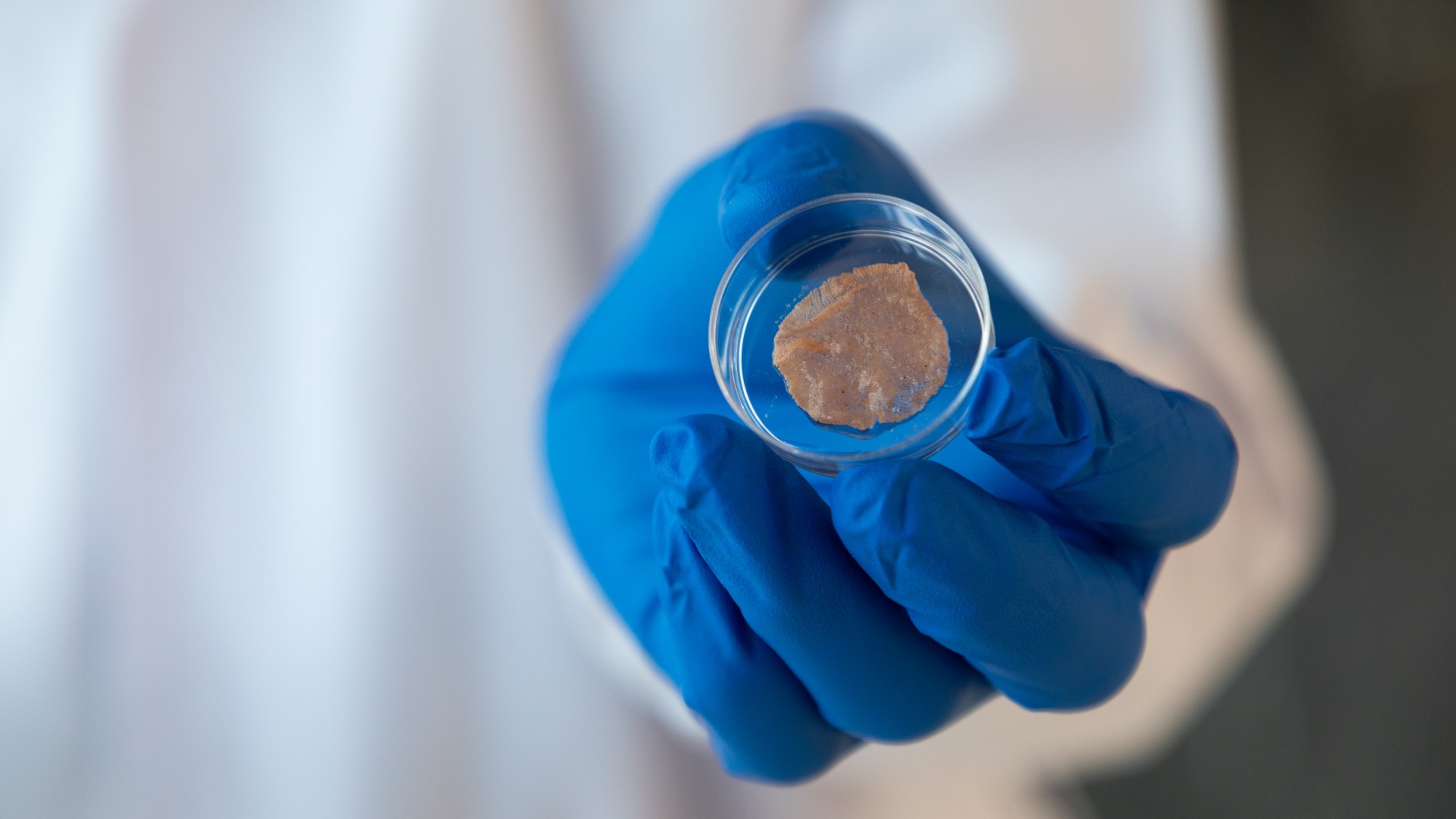
A research team from the National University of Singapore (NUS) has successfully used common plant proteins to 3D-print an edible cell culture scaffold, allowing more affordable and sustainable lab-grown meat to be served on the table.

As consumers become more conscious of the environmental and ethical ramifications of their food, lab-grown meat, also known as cultured meat or cell-based meat, is becoming an increasingly popular source of dietary protein. Cultured meat is produced by taking skeletal muscle cells from animals and growing them on three-dimensional constructs called scaffolds, which provide structural support as the cells multiply and develop into tissues.
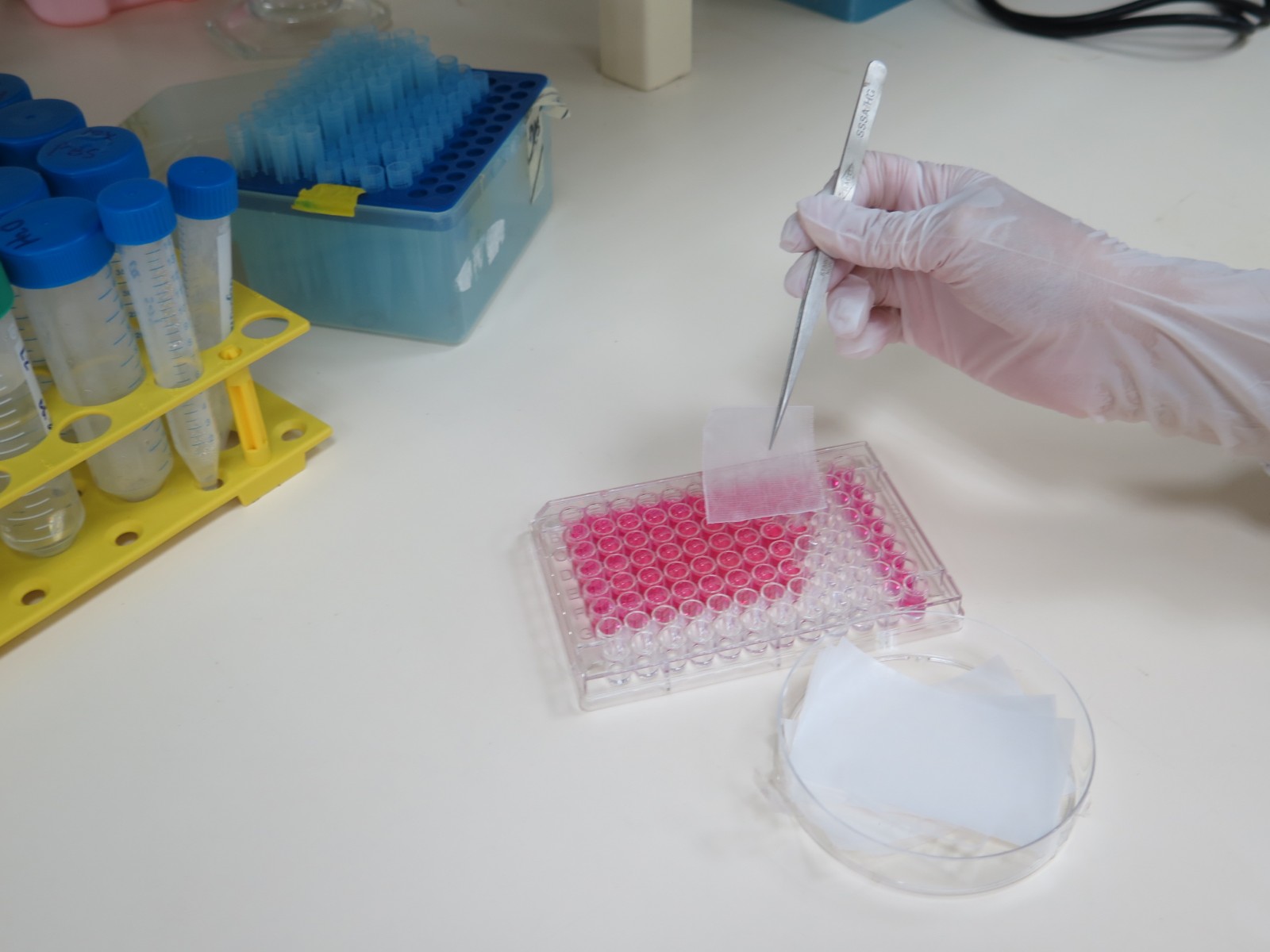
National University of Singapore

However, cell culture scaffolds are typically made from synthetic or animal-based materials, which are either too expensive or inedible. In search of an alternative, the team led by Professor Huang Dejian, Deputy Head of the NUS Department of Food Science and Technology, turned to plant proteins, which are known to be biodegradable and biocompatible with animal cells. Crucially, plant proteins also satisfy common requirements for food consumption, making the resulting scaffold fit for culturing meat.

“By using readily available cereal prolamins as biomaterials for high-precision 3D printing technology, we open up a new method for manufacturing edible and structured scaffolds to produce cultured muscle meat slices with fibrous qualities,” said Prof Huang.

The team’s work, in line with NUS’ thrust to produce cutting-edge sustainability research, was published in the journal Advanced Materials on 22 October 2022.

The making of an edible scaffold

Prolamins are a family of plant storage proteins that, due to their specific amino acid profile, have low nutritional value. In fact, prolamins are generated as waste in the starch and vegetable oil industries. Nevertheless, Prof Huang and his team leveraged these characteristics of prolamins to come up with an affordable and sustainable resource for meat culture.

Specifically, the researchers used mixtures of prolamins derived from corn, barley and rye flour, also known as zeins, hordeins and secalins, respectively. These mixtures then acted as the ink for electrohydrodynamic printing, a high-precision 3D printing technology commonly employed in biomedical applications.

To assess whether the prolamin constructs were fit for meat cultivation, they were submerged in the cell culture medium and inspected seven days later to examine any structural changes. Under a scanning electron microscope, the scaffolds held their structure and did not collapse, though multiple holes did develop on their surfaces. According to the researchers, however, these pores are more likely the result of enzymes secreted by the cultured cells rather than evidence of structural weaknesses.

For scaffolds to be of any use in cultivating meat, they need to be biocompatible with muscle cells from agricultural animals, meaning that they need to be able to accommodate these cells and support their growth and development.
Researchers from National University of Singapore create plant-based cellular structure for budget-friendly, more sustainable cultured meat. 1920 photo2 24

To test this, Prof Huang and team seeded the prolamin constructs with stem cells from pig skeletal muscle and measured cell proliferation over the following days. They found that the cells divided extensively on the scaffolds, reaching a maximum count 11 days after they were inoculated. The stem cells grew comparably well in both zein/hordein and zein/secalin scaffolds.

Of significance, when compared against a standard polycaprolactone scaffold, a common tool in tissue engineering, pig cells seeded onto the prolamin constructs proliferated much faster, demonstrating that the plant protein-based scaffold was more feasible for cultured meat production than standard synthetic polymers.

“Scaffolds made from plant proteins are edible and have diverse and variable peptide sequences that can facilitate cell attachment, induce differentiation, and speed up the growth of meat. In contrast, synthetic scaffolds such as plastic beads used for cultured meat have no functional group which makes it difficult for animal cells to attach and proliferate In addition, synthetic scaffolds are not edible and extra steps are required to separate the scaffolds from the meat culture,” elaborated Prof Huang.

As a proof of-concept, the research team tried to produce an actual slice of meat by culturing pig skin stem cells on a zein/secalin scaffold, and then allowed them to differentiate, or mature, into muscle. Beet extract was used to simulate meat’s reddish colour.

Their experiment turned out to be a success. Within 12 days, the research team was able to culture meat that was similar in texture and overall appearance to real animal meat.

“Since the scaffold was edible, no special or additional procedures were needed to extract it from the final product,” shares Prof Huang. These results further verify the potential of the proposed prolamin-based scaffolds in cultivated meat production.”

Further developments

Prof Huang and his team are actively working on refining the plant protein-based technology. For instance, more studies are needed to better determine how the particular structure and composition of the prolamin constructs might impact the growth of animal stem cells and how they form muscle tissue.

Researchers from National University of Singapore create plant-based cellular structure for budget-friendly, more sustainable cultured meat. In Vitro Fleisch Clean Meat

“Moreover, we need to ensure the resulting meat products are market-ready, with safety profiles that will satisfy rigorous regulatory demands and nutritional compositions that will fulfil recommended dietary needs,” says Prof Huang. “Of course, they need to be appetising, too. Flavour, aroma and texture need to be carefully calibrated to compete with traditionally farmed meat products.”

Tags: cultivated meatMARKETINGPlant-based food
Previous Post

It will take a while to resolve the recognized issues of the cultivated meat industry and maybe that’s OK

Next Post

Breeding, technological advances enhance taste, texture and nutrition of plant-based protein

Admin

Admin

Related Posts

ProVeg Webinar: Cultured Meat Communication 101

ProVeg Webinar: Cultured Meat Communication 101

October 8, 2022
0

Food awareness organisation ProVeg International recently released a report on how the use of images impacts the public perception of cultured meat.  On 13th October, ProVeg will be hosting a webinar discussing the findings of that...

Next challenges for the cultivated meat industry discussed by Upside Foods COO

Next challenges for the cultivated meat industry discussed by Upside Foods COO

August 15, 2023
0

By Elizabeth Flood In time for major breakthroughs in the industry, the company has named a new chief scientific officer and tapped a former Twitter executive as its chief legal officer. With regulatory...

The growth of lab-grown meat still faces some obstacles

Halal animal cell-based meat is permissible for Singaporean Muslims

February 3, 2024
0

Quotes from Deccan Herald, February 03, 2024 Lab-grown meat can be consumed by Muslims in Singapore as long as the cells are sourced from halal animals and no non-halal ingredients are added...

Congress must support alternative protein research

Congress must support alternative protein research

February 2, 2022
0

With China including cultivated meat in its latest five-year agricultural plan, the United States should make sure it isn’t left behind by investing heavily into cellular-agriculture development.

Load More
Next Post
Breeding, technological advances enhance taste, texture and nutrition of plant-based protein

Breeding, technological advances enhance taste, texture and nutrition of plant-based protein

Leave a Reply Cancel reply

Your email address will not be published. Required fields are marked *

About US

At CultivatedMeats, we’re passionate about the future of food, products, and events that are grown and produced in harmony with nature. We believe in a world where cultivation goes beyond just farming and enters every aspect of our lives.

Cultivated Meats all right reserved text © 2024

Welcome Back!

Login to your account below

Forgotten Password?

Retrieve your password

Please enter your username or email address to reset your password.

Log In
No Result
View All Result
  • Cultivated food
    • Alternative Meat
    • Alternative Protein
    • Article
    • Cultivated meats
    • Lab-grown meat
    • Plant-based food
    • Seafood
  • World
  • Science
  • Regulations
  • Opinion
  • Short News
  • Business
  • Cultivated Seafood
  • EVENT
  • Technology

Cultivated Meats all right reserved text © 2024