


• Home
  • Team
  • World
  • Cultivated meats
Monday, February 9, 2026
No Result
View All Result
  • Login
Cultivated Food Article and News
  • Cultivated foodTrend
    • All
    • Alternative Meat
    • Alternative Protein
    • Article
    • Cultivated meats
    • Lab-grown meat
    • Plant-based food
    • Seafood
    • Short News

    Chicken Road 2: Il suono che guida la guida silenziosa

    Tower Rush : Le secret des badges à deux ans de résilience

    Tower Rush : Croissance urbaine et cryptographie dans la ville du futur

    Supercharged Clovers Hold and Win: When Clocks Meet Chaos in Celestial Mechanics

    Tower Rush : Le nombre d’or qui défie l’équilibre collectif

    Supercharged Clovers Hold and Win: Rewiring Decision-Making with Structured Chance

    Il paradosso di Monty Hall e le funzioni convesse: una chiave di calcolo italiana

    Goldene Zufallssimulation: Wie Kongruenzgeneratoren Ideen formen

    The Evolution of Efficient Innovation Through Mathematical Insight

    • Alternative Meat
    • Alternative Protein
    • Article
    • Cultivated meats
    • Lab-grown meat
    • Plant-based food
    • Seafood
  • World
    AdobeStock_2854144561

    “We’re reimagining meat to spare land and resources, but never flavour” Nicolas Morin-Forest said.

    head-74

    Plant-Based Meats Market Is Booming Worldwide | Gold&Green Foods, Maple Leaf Foods, Amy’s Kitchen, Garden Protein International, Quorn Foods and more

    brown-and-white-cow-on-green-grass-field-during-daytime

    The meat paradox: how your brain wrestles with the ethics of eating animals

    Are chicken feathers a greener alternative to polyester and nylon?

    Are chicken feathers a greener alternative to polyester and nylon?

    The Best Veggie Burgers Are Made With Vegetables

    The Best Veggie Burgers Are Made With Vegetables

  • Science
  • Regulations
  • Opinion
  • Short News
  • Business
  • Cultivated Seafood
  • EVENT
  • Technology
  • Cultivated foodTrend
    • All
    • Alternative Meat
    • Alternative Protein
    • Article
    • Cultivated meats
    • Lab-grown meat
    • Plant-based food
    • Seafood
    • Short News

    Chicken Road 2: Il suono che guida la guida silenziosa

    Tower Rush : Le secret des badges à deux ans de résilience

    Tower Rush : Croissance urbaine et cryptographie dans la ville du futur

    Supercharged Clovers Hold and Win: When Clocks Meet Chaos in Celestial Mechanics

    Tower Rush : Le nombre d’or qui défie l’équilibre collectif

    Supercharged Clovers Hold and Win: Rewiring Decision-Making with Structured Chance

    Il paradosso di Monty Hall e le funzioni convesse: una chiave di calcolo italiana

    Goldene Zufallssimulation: Wie Kongruenzgeneratoren Ideen formen

    The Evolution of Efficient Innovation Through Mathematical Insight

    • Alternative Meat
    • Alternative Protein
    • Article
    • Cultivated meats
    • Lab-grown meat
    • Plant-based food
    • Seafood
  • World
    AdobeStock_2854144561

    “We’re reimagining meat to spare land and resources, but never flavour” Nicolas Morin-Forest said.

    head-74

    Plant-Based Meats Market Is Booming Worldwide | Gold&Green Foods, Maple Leaf Foods, Amy’s Kitchen, Garden Protein International, Quorn Foods and more

    brown-and-white-cow-on-green-grass-field-during-daytime

    The meat paradox: how your brain wrestles with the ethics of eating animals

    Are chicken feathers a greener alternative to polyester and nylon?

    Are chicken feathers a greener alternative to polyester and nylon?

    The Best Veggie Burgers Are Made With Vegetables

    The Best Veggie Burgers Are Made With Vegetables

  • Science
  • Regulations
  • Opinion
  • Short News
  • Business
  • Cultivated Seafood
  • EVENT
  • Technology
No Result
View All Result
Cultivated Food Article and News
No Result
View All Result
Home Cultivated food

The meat you eat is already fake

by Admin
November 11, 2022
in Cultivated food
Reading Time: 6 mins read
0 0
0
0
SHARES
141
VIEWS
Share on FacebookShare on Twitter

Worried about eating meat grown in a lab? Meat producers already use technology to transform every aspect of raising animals of food, including the animals themselves.

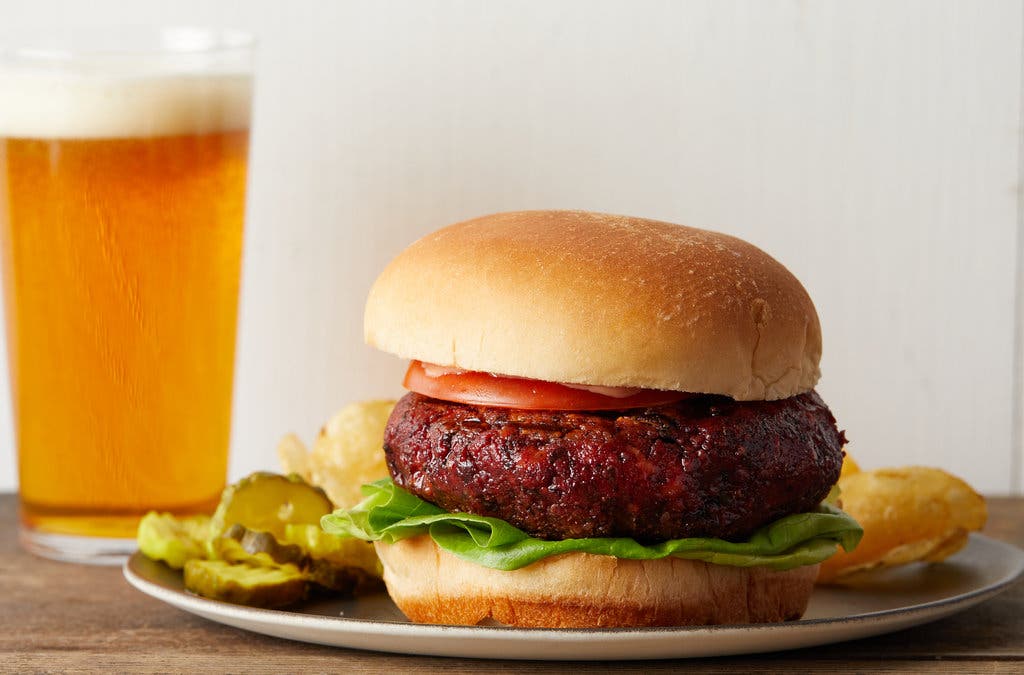
Thanks to innovative plant-based meat brands like Impossible Foods and Beyond Meat, gone are the days of cardboard-like veggie burgers. And with global partnerships with fast-food restaurants like Burger King and McDonalds, their products are virtually everywhere. Sales may be slowing a bit, but the global plant-based market value is still projected to reach $93 billion by 2028, compared with just $41 billion in 2021.

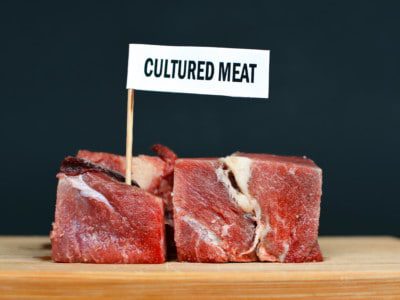
Cell-cultured meat—real meat grown from biopsied animal cells rather than slaughtered animals—still has a long way to go before being commercially viable. Some doubt that it will ever reach price parity with conventional meat. Still, the industry is making progress. Eat Just, for example, sells cell-cultured chicken in several eateries throughout Singapore, and customers are walking away pleased. A 2021 survey showed nearly nine out of 10 patrons were open to substituting their consumption of conventional chicken with Eat Just’s cell-cultured chicken.

meat

And it’s no wonder: These next-generation meat alternatives not only successfully mimic the taste and texture of conventional meat; they are also healthier, more environmentally friendly, and kinder to animals.

But like any new technology, this one has its fair share of critics. Detractors of alternative proteins have dubbed cell-cultured products “frankenfood”––a pejorative term that plays into the narrative that meat alternatives are “unnatural,” “synthetic,” or even dangerous. Polls show that plenty of consumers don’t want anything to do with “fake” meat, preferring the “real thing.” The problem with this line of reasoning is that the conventional meat on the market today is a far cry from the “real” and “natural” product consumers imagine. 

Multinational corporations like Tyson and Perdue use technology to transform every aspect of meat production, including the animals themselves. And they have been doing so for a long time.

Consider chicken. As I describe in my book, Meat Me Halfway, today’s chickens barely resemble the birds our grandparents ate. In the 1950’s, the average chicken grew to about two pounds. Today they’re much bigger, at about six pounds. This didn’t happen through natural selection, but through deliberate, artificial selection. Producers have used selective breeding to push chickens to their biological limits. 

In the 1940s, Howard Pierce—the national poultry director for the largest food retailer in the U.S.—had a vision for a new type of chicken, “similar to that of the broad-breasted turkey.”  He and a committee of poultry growers created a national contest to find what they collectively dubbed the “Chicken of Tomorrow.” After evaluating 31,680 prized fertilized eggs, they announced a winner: a breed made by crossing a California Cornish male with a New Hampshire female. It was nearly four pounds—twice the size of the average chicken at the time. Just 15 years later, more than half of the commercial chickens raised in the U.S. were directly descended from this breed.

The meat you eat is already fake

But poultry companies were not satisfied. Working with emerging biotechnology firms, they continued to alter the chicken’s genetic makeup. Through a series of complicated cross breedings, these companies produced chickens—patented as intellectual property—that made the “Chicken of Tomorrow” contest look like a middle-school science fair. 

In addition to breeding chickens for physical characteristics, like size and breast meat production, meat producers now breed chickens for behavioral characteristics. Since chickens are raised industrial farms, where they are confined under torturous conditions to produce cheap meat, producers selectively breed chickens who eschew even basic forms of expression, like pecking and flying short distances. Today’s chickens live in near catatonic passivity. They are so large that their bones, ligaments, and tendons are unable to support their own weight. The idea that the chicken consumers eat today is “natural” is a fantasy.

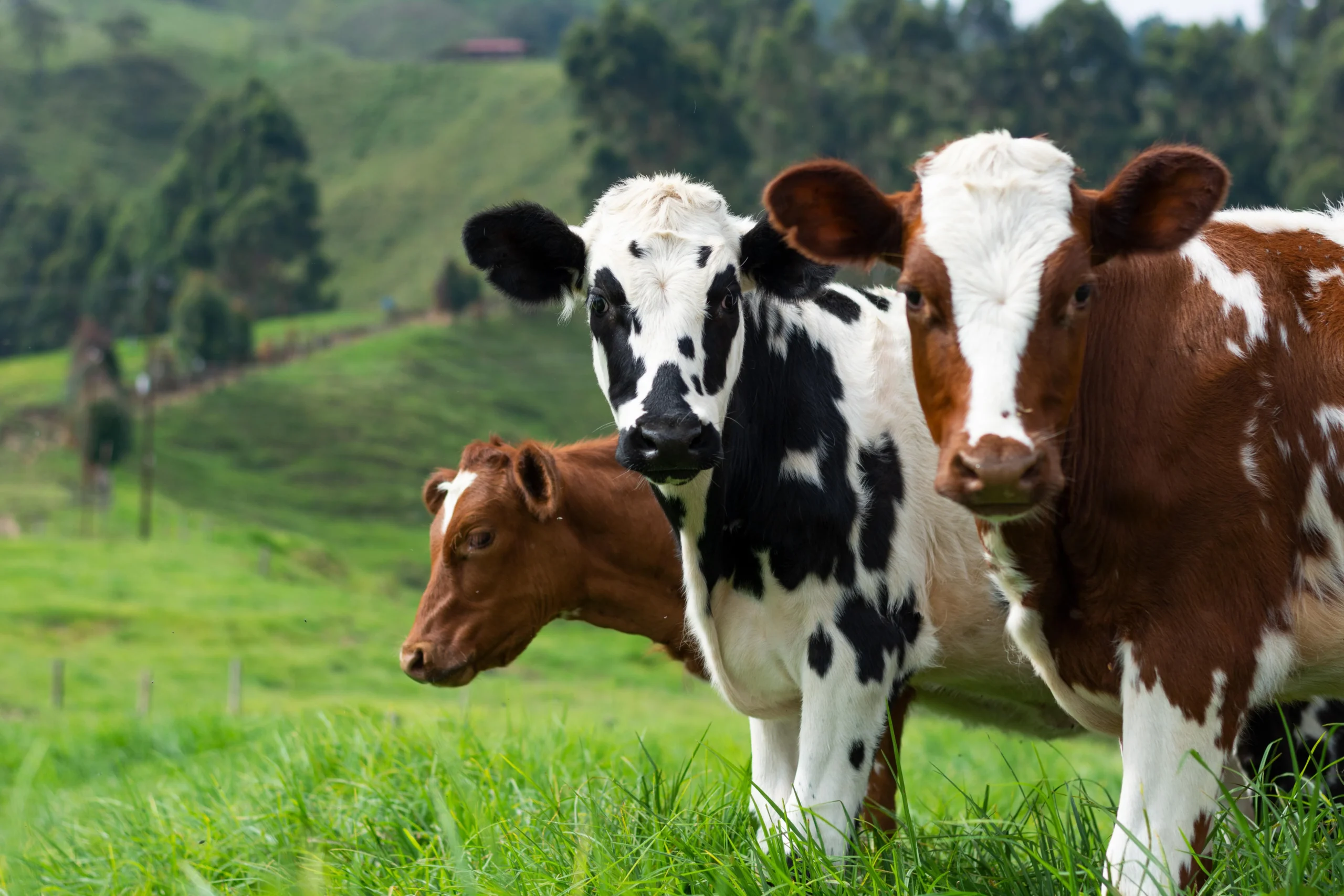
And it’s not just chickens that have been deliberately altered. Dairy cows have been bred to produce twice as much milk as they did 40 years ago, resulting in serious health and reproductive problems. In addition to selective breeding techniques, researchers have developed gene-editing technology to alter the characteristics of farmed animals. For instance, they’ve created extra muscular pigs. These pigs create leaner meat—and more of it—than their more “natural” counterparts, but they also face reproductive trouble and increased mortality.

Even in the sea, animals have been subject to scientific experimentation. For example, in the 1970s, researchers developed technology to produce all-male tilapia, because they grow faster than female tilapia. Today, farmed and genetically modified tilapia grow more than 36% faster than their unmodified counterparts.
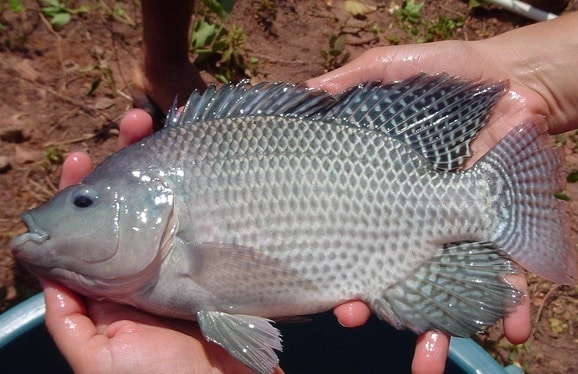
The meat you eat is already fake Tilapia Fish

To be sure, “heritage breeds”—farmed land animals that retain more of the characteristics of their wild ancestors—still exist. And when it comes to seafood, eating wild-caught fish is an option. Meat from these animals may seem less artificial, but it is increasingly hard to find. Animals from heritage breeds are so rare that many of them are endangered, and the world now produces more seafood from fish farms than wild catch. The reality is that factory farmed animals—and the genetic modifications associated with them—overwhelmingly dominate the industry.

So if you want your food to be “natural,” it’s really not clear whether you should choose meat made from animals or newer alternatives (like plant- and cell-based meat). None of these are “natural,” and all are drastically different from the meat our grandparents ate. But what is so important about “naturalness” anyway? Perhaps it’s time to base our food choices on other factors, like ethical and environmental considerations. If we do that, the winner is clear.

Tags: Cultured MeatMARKETINGplant-based meat
Previous Post

Plant2Food Granted Up to €27M to Accelerate Plant-Based Food Development in Denmark

Next Post

Diets based on plants: 5 things to know

Admin

Admin

Related Posts

Steakholder Foods 3D Bio-Prints First Ready-to-Cook Cultivated Grouper Fish

Steakholder Foods 3D Bio-Prints First Ready-to-Cook Cultivated Grouper Fish

April 25, 2023
0

Steakholder Foods 3D bio-printed the world’s first cultivated fish fillet: The Company has reached a significant milestone by successfully customizing bio-inks utilizing grouper cells provided by Umami Meats to print a cultivated...

Weighing the Value of Plant-Based ‘Meats’

Weighing the Value of Plant-Based ‘Meats’

June 12, 2022
0

Meat alternatives offer a tasty meal but have their drawbacks as well Reassuring logos and label claims on meat substitutes may offer a comforting image. However, in today’s strange world of food-processing...

CellTec Systems is positioning itself as the first European provider of industrial cell proliferation systems.

CellTec Systems is positioning itself as the first European provider of industrial cell proliferation systems.

May 21, 2023
0

CellTec Systems, a spin-off of the Fraunhofer Institute and the University of Lübeck, claims to be the first European system provider for industrial cell propagation. The spin-off’s most important resource is its...

Minor Figures Launches All-Purpose Oat Milk at Tesco and Morrisons

Minor Figures Launches All-Purpose Oat Milk at Tesco and Morrisons

November 24, 2022
0

Best known for its barista milk alternatives, UK brand Minor Figures has expanded its range with two varieties of all-purpose oat milk. While the brand’s barista range is aimed at specialty coffee, the Everyday...

Load More
Next Post
Diets based on plants: 5 things to know

Diets based on plants: 5 things to know

Leave a Reply Cancel reply

Your email address will not be published. Required fields are marked *

About US

At CultivatedMeats, we’re passionate about the future of food, products, and events that are grown and produced in harmony with nature. We believe in a world where cultivation goes beyond just farming and enters every aspect of our lives.

Cultivated Meats all right reserved text © 2024

Welcome Back!

Login to your account below

Forgotten Password?

Retrieve your password

Please enter your username or email address to reset your password.

Log In
No Result
View All Result
  • Cultivated food
    • Alternative Meat
    • Alternative Protein
    • Article
    • Cultivated meats
    • Lab-grown meat
    • Plant-based food
    • Seafood
  • World
  • Science
  • Regulations
  • Opinion
  • Short News
  • Business
  • Cultivated Seafood
  • EVENT
  • Technology

Cultivated Meats all right reserved text © 2024