



• Home
  • Team
  • World
  • Cultivated meats
Friday, December 5, 2025
No Result
View All Result
  • Login
Cultivated Food Article and News
  • Cultivated foodTrend
    • All
    • Alternative Meat
    • Alternative Protein
    • Article
    • Cultivated meats
    • Lab-grown meat
    • Plant-based food
    • Seafood
    • Short News

    Chicken Road 2: Il suono che guida la guida silenziosa

    A rapid expansion of the cultured meat market is meeting consumer demand

    Lab-grown meat is in high demand in the APAC region

    The Alternative Protein Revolution: Is India Ready?

    The Alternative Protein Revolution: Is India Ready?

    The Future of Food by 2025

    The Future of Food by 2025

    Cultivated meat is scaled up-and its price is dramatically reduced

    A new partnership with Cult Food Science is bringing innovative meat products to market

    Public Consultation Seeks Feedback on Potential Approval of Cultivated Meat in Australia

    Public Consultation Seeks Feedback on Potential Approval of Cultivated Meat in Australia

    Indians get a taste of cultivated meat at Biokraft Foods

    Indians get a taste of cultivated meat at Biokraft Foods

    A rapid expansion of the cultured meat market is meeting consumer demand

    A rapid expansion of the cultured meat market is meeting consumer demand

    Achieving multibillion-dollar growth for lab-grown meat with Sallea

    Lab-grown meat investments by Asian countries could revolutionize the industry

    • Alternative Meat
    • Alternative Protein
    • Article
    • Cultivated meats
    • Lab-grown meat
    • Plant-based food
    • Seafood
  • World
    AdobeStock_2854144561

    “We’re reimagining meat to spare land and resources, but never flavour” Nicolas Morin-Forest said.

    head-74

    Plant-Based Meats Market Is Booming Worldwide | Gold&Green Foods, Maple Leaf Foods, Amy’s Kitchen, Garden Protein International, Quorn Foods and more

    brown-and-white-cow-on-green-grass-field-during-daytime

    The meat paradox: how your brain wrestles with the ethics of eating animals

    Are chicken feathers a greener alternative to polyester and nylon?

    Are chicken feathers a greener alternative to polyester and nylon?

    The Best Veggie Burgers Are Made With Vegetables

    The Best Veggie Burgers Are Made With Vegetables

  • Science
  • Regulations
  • Opinion
  • Short News
  • Business
  • Cultivated Seafood
  • EVENT
  • Technology
  • Cultivated foodTrend
    • All
    • Alternative Meat
    • Alternative Protein
    • Article
    • Cultivated meats
    • Lab-grown meat
    • Plant-based food
    • Seafood
    • Short News

    Chicken Road 2: Il suono che guida la guida silenziosa

    A rapid expansion of the cultured meat market is meeting consumer demand

    Lab-grown meat is in high demand in the APAC region

    The Alternative Protein Revolution: Is India Ready?

    The Alternative Protein Revolution: Is India Ready?

    The Future of Food by 2025

    The Future of Food by 2025

    Cultivated meat is scaled up-and its price is dramatically reduced

    A new partnership with Cult Food Science is bringing innovative meat products to market

    Public Consultation Seeks Feedback on Potential Approval of Cultivated Meat in Australia

    Public Consultation Seeks Feedback on Potential Approval of Cultivated Meat in Australia

    Indians get a taste of cultivated meat at Biokraft Foods

    Indians get a taste of cultivated meat at Biokraft Foods

    A rapid expansion of the cultured meat market is meeting consumer demand

    A rapid expansion of the cultured meat market is meeting consumer demand

    Achieving multibillion-dollar growth for lab-grown meat with Sallea

    Lab-grown meat investments by Asian countries could revolutionize the industry

    • Alternative Meat
    • Alternative Protein
    • Article
    • Cultivated meats
    • Lab-grown meat
    • Plant-based food
    • Seafood
  • World
    AdobeStock_2854144561

    “We’re reimagining meat to spare land and resources, but never flavour” Nicolas Morin-Forest said.

    head-74

    Plant-Based Meats Market Is Booming Worldwide | Gold&Green Foods, Maple Leaf Foods, Amy’s Kitchen, Garden Protein International, Quorn Foods and more

    brown-and-white-cow-on-green-grass-field-during-daytime

    The meat paradox: how your brain wrestles with the ethics of eating animals

    Are chicken feathers a greener alternative to polyester and nylon?

    Are chicken feathers a greener alternative to polyester and nylon?

    The Best Veggie Burgers Are Made With Vegetables

    The Best Veggie Burgers Are Made With Vegetables

  • Science
  • Regulations
  • Opinion
  • Short News
  • Business
  • Cultivated Seafood
  • EVENT
  • Technology
No Result
View All Result
Cultivated Food Article and News
No Result
View All Result
Home Cultivated food

Why Early-Stage Investments in Alternative Protein Startups Are Worth the Risk

by Admin
September 21, 2022
in Cultivated food
Reading Time: 7 mins read
0 0
0
0
SHARES
220
VIEWS
Share on FacebookShare on Twitter

When you visit any major supermarket across the country, you might notice that many of the traditional animal-based protein products sit side-by-side with their newer alternative protein counterparts. Gallons of almond milk sit next to cows’ milk, bottles of plant-based egg products sit above cartons of chicken eggs, and packages of meatless meat are neighbors with ground chuck.

The slow proliferation of alternative protein options is being driven by consumer concern around the health implications of consuming large amounts of animal protein, the environmental impact of raising animals for meat, and animal welfare concerns. And adoption is growing. According to a Bloomberg Intelligence report, the plant-based food market is projected to represent 7.7% of the global protein market, worth $162 billion, by 2030.

The technologies that create alternative protein products are unlocking new levels of taste and texture that mimic traditional animal meat products by utilizing new inputs, new processes, and new technologies that haven’t been used before. These plant-based foods have the ability to make a significant impact on the environment through more efficient food production, and our overall health by avoiding cholesterol, saturated fat, and other components that contribute to heart disease and other chronic illnesses, and investors are taking notice. 2021 was a record year for dollars invested in companies creating sustainable alternatives to conventional animal-based foods, with global alternative protein companies raising $5 billion—60% more money than the previous year.

Food technology surrounding alternative proteins and cultivated meat is going to completely transform the planet’s food system for the better, for both humans and the planet. But it’s going to take significantly more than $5B. There’s a need for investment in early-stage companies to drive innovation to produce food in new ways to feed our planet.

Alternative proteins will transform our food system for a greener planet

Protein

The global food system has a tremendous influence on the health of our planet. According to data from BSG, the food system accounts for 26% of current global greenhouse gas emissions. Animal agriculture is the largest greenhouse gas emitter of all, representing 15% of all global emissions—the emissions equivalent of the global transportation industry.

The environmental impact of replacing animal protein with alternative proteins is immense. BSG estimates that if alternative proteins reach 11% of all protein consumption by 2035, a reduction of 0.85 gigatons of carbon dioxide worldwide by 2030 could be realized, which is the equivalent of decarbonizing 95% of the aviation industry.

Beyond emission reduction, the adoption of alternative proteins also has a positive impact on other food system issues, such as land usage shortages and the growth of antibiotic resistance caused by factory livestock farming. Less farmland is needed to raise animals for food, and with fewer animals comes less need for antibiotic usage to avoid disease, reducing the number of chemicals in our wastewater and food. Our planet’s landmass is a finite resource. As its population balloons to 9.8 billion people by 2050, it will be impossible for us to feed the world with our current food system and animal protein consumption habits without causing catastrophic damage to our environment.

Innovation in the alternative protein sector requires early-stage investment
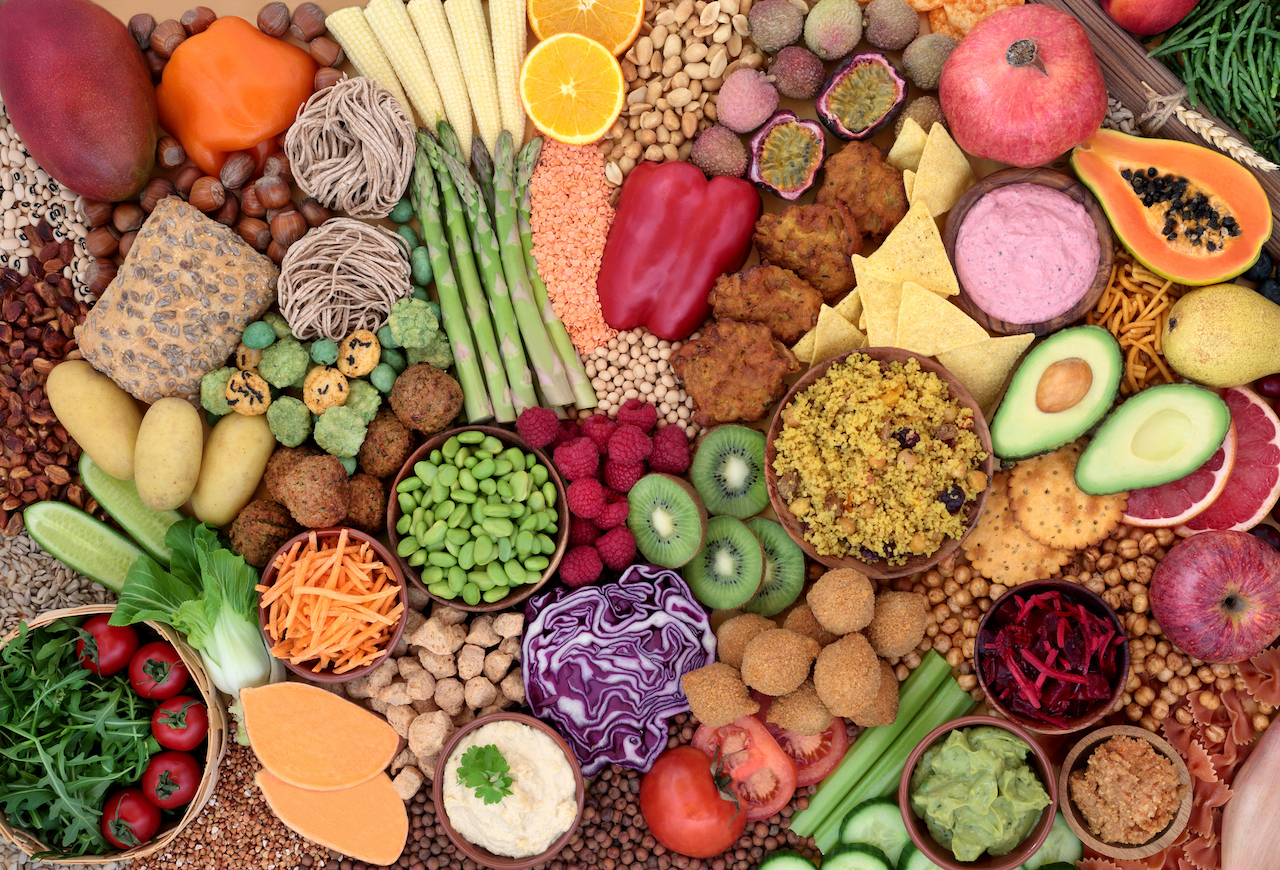
Why Early-Stage Investments in Alternative Protein Startups Are Worth the Risk iStock 1289934760

In order to fundamentally change our food system, we have to enable innovators in the alternative protein space to research, develop, and launch new products that will meet this consumer demand. That means experimenting with new technologies, iterating on existing production methodologies, and finding new ways to produce better and better products that will be both attractive to consumers and improve our food system. To do this, there needs to be capital at the embryonic stages of food startups.

The challenge is that many of the components of food tech startups—production technology, molecule and cell development, fermentation methodologies—can be challenging to evaluate at the earliest stages of a company’s life, both in terms of understanding the significance of new processes or approaches and the feasibility for significant scale.

Impactful investments in promising food tech companies can often require more capital and time than investments in software-led businesses, such as SaaS products or other consumer technology startups. We’re dealing with the development of physical food products that require warehouse space, distribution channels, and laboratory research and development versus engineers writing millions of lines of code.

Niche food technology also requires a different kind of professional network: third-party scientists and technical advisors that can break down complex science that a potential portfolio company is leveraging, so investors can be confident that a startup is pursuing something novel that has the ability to stand out in a competitive landscape. For these reasons, institutional investors are sometimes hesitant to invest in the growing area of alternative proteins, despite the enormous potential.

Beyond the potential economic gains, there’s value to investing in food technology at the very earliest stages because it’s how we will increase the adoption of alternative proteins and build a sustainable food system that leaves a positive impact on our planet. Early capital investment in any new startup that goes on to become a transformational company in an industry is always ideal, but we know that not all companies will become winners in the long run. Just about any venture capital portfolio shows us that as an investor, you can’t expect to see those return rates without taking risks on new, young founders and companies.

Many funds and institutional investors today are looking for areas of investment that can provide opportunities for both significant economic gain and environmental impact, and studies are showing that alternative proteins should be a place of focus. A 2022 BCG and Blue Horizon report showcases that investments in the segment have the highest CO2 equivalent savings per dollar invested capital of any sector.
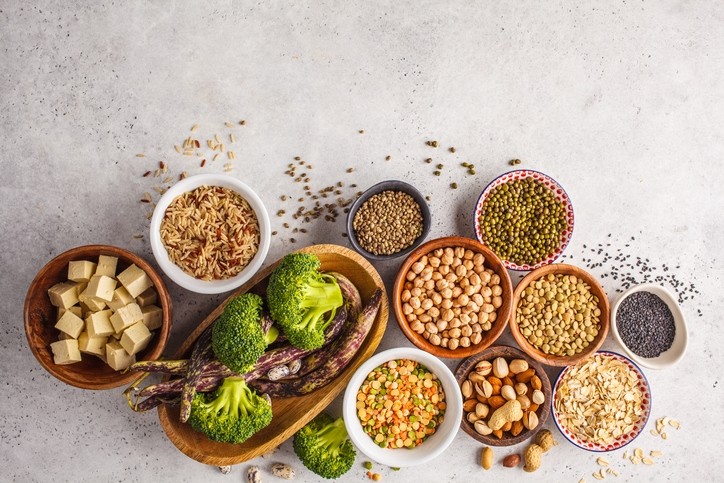
Why Early-Stage Investments in Alternative Protein Startups Are Worth the Risk Food tech driving down price of alt meat as another report predicts a market poised for growth

If the venture capital community and major research organizations around the globe aren’t convinced, just look at what the incumbents in the industry are doing. Large food corporations, such as Tyson Foods and Cargill, have invested in alternative protein and cultivated meat startups such as Beyond Meat, Puris, and Aleph Farms. And other conglomerates such as Nestle are launching their own alternative protein segments.

For these corporations investing in the space, the economic returns are likely just one expected benefit of the endeavor; building knowledge and insight around new alternative protein and cultivated meat technologies and evaluating potential M&A candidates are also key elements of many corporations’ plans as they look to drive growth in the coming years.

Ultimately, both major food corporations and investors know that the opportunity in alternative protein food innovators is enormous. As our population grows and our planet continues to show more signs of climate change consequences, our food systems have to adapt, and alternative protein technology is one major piece of the puzzle. Yet, we can’t get there unless we support these innovative emerging food technology ventures at their earliest stages.

Why Early-Stage Investments in Alternative Protein Startups Are Worth the Risk Johnny Ream 2

Johnny Ream is a partner at Stray Dog Captial, a venture capital fund investing in early-stage, next-generation foodtech startups. He is an accomplished investment and strategy professional with 15 years of experience across management consulting, venture capital, and private equity.


Tags: Alternative ProteinCultivated FoodFood techMARKETING
Previous Post

The GFI at Fish International: “A Positive Sign for the Future of Our Oceans”

Next Post

ENOUGH opens the largest mycoprotein facility in the world

Admin

Admin

Related Posts

Advancing secure practices in modern food production

Advancing secure practices in modern food production

April 9, 2024
0

Quotes from MEAT+POULTRY, April 8, 2024 By Donna Berry In a bygone era, patties were crafted from bovine origins and swine provided the savory bacon. However, the humble turkey, seeking acclaim outside of...

Companies are making slaughter-free meat – so why isn’t it for sale in shops?

Companies are making slaughter-free meat – so why isn’t it for sale in shops?

November 9, 2022
0

One of the big questions facing humanity right now is how to feed a global population with an increasing demand for meat, while not destroying the planet in the process. The future...

Will meat eaters be persuaded to change their diets as cell-based meat approaches the taste and texture of animal flesh?

Will meat eaters be persuaded to change their diets as cell-based meat approaches the taste and texture of animal flesh?

November 23, 2023
0

Quotes from South China Morning Post, November 23, 2023 Summary Lab-grown meat, cultivated from cells and fed on a nutrient broth, is becoming a popular eco-friendly substitute for animal products. Nevertheless, numerous...

The secret to making plant-based meat taste more ‘meaty’? Fermented onions, scientists say

The secret to making plant-based meat taste more ‘meaty’? Fermented onions, scientists say

September 7, 2023
0

By SHIVALI BEST FOR MAILONLINE From beetroot burgers to vegan 'ribs', imitation meats are becoming more and more popular by the day. These plant-based alternatives often look like the real deal, but most still lack...

Load More
Next Post
ENOUGH opens the largest mycoprotein facility in the world

ENOUGH opens the largest mycoprotein facility in the world

Leave a Reply Cancel reply

Your email address will not be published. Required fields are marked *

About US

At CultivatedMeats, we’re passionate about the future of food, products, and events that are grown and produced in harmony with nature. We believe in a world where cultivation goes beyond just farming and enters every aspect of our lives.

Cultivated Meats all right reserved text © 2024

Welcome Back!

Login to your account below

Forgotten Password?

Retrieve your password

Please enter your username or email address to reset your password.

Log In
No Result
View All Result
  • Cultivated food
    • Alternative Meat
    • Alternative Protein
    • Article
    • Cultivated meats
    • Lab-grown meat
    • Plant-based food
    • Seafood
  • World
  • Science
  • Regulations
  • Opinion
  • Short News
  • Business
  • Cultivated Seafood
  • EVENT
  • Technology

Cultivated Meats all right reserved text © 2024