

• Home
  • Team
  • World
  • Cultivated meats
Friday, December 5, 2025
No Result
View All Result
  • Login
Cultivated Food Article and News
  • Cultivated foodTrend
    • All
    • Alternative Meat
    • Alternative Protein
    • Article
    • Cultivated meats
    • Lab-grown meat
    • Plant-based food
    • Seafood
    • Short News

    Chicken Road 2: Il suono che guida la guida silenziosa

    A rapid expansion of the cultured meat market is meeting consumer demand

    Lab-grown meat is in high demand in the APAC region

    The Alternative Protein Revolution: Is India Ready?

    The Alternative Protein Revolution: Is India Ready?

    The Future of Food by 2025

    The Future of Food by 2025

    Cultivated meat is scaled up-and its price is dramatically reduced

    A new partnership with Cult Food Science is bringing innovative meat products to market

    Public Consultation Seeks Feedback on Potential Approval of Cultivated Meat in Australia

    Public Consultation Seeks Feedback on Potential Approval of Cultivated Meat in Australia

    Indians get a taste of cultivated meat at Biokraft Foods

    Indians get a taste of cultivated meat at Biokraft Foods

    A rapid expansion of the cultured meat market is meeting consumer demand

    A rapid expansion of the cultured meat market is meeting consumer demand

    Achieving multibillion-dollar growth for lab-grown meat with Sallea

    Lab-grown meat investments by Asian countries could revolutionize the industry

    • Alternative Meat
    • Alternative Protein
    • Article
    • Cultivated meats
    • Lab-grown meat
    • Plant-based food
    • Seafood
  • World
    AdobeStock_2854144561

    “We’re reimagining meat to spare land and resources, but never flavour” Nicolas Morin-Forest said.

    head-74

    Plant-Based Meats Market Is Booming Worldwide | Gold&Green Foods, Maple Leaf Foods, Amy’s Kitchen, Garden Protein International, Quorn Foods and more

    brown-and-white-cow-on-green-grass-field-during-daytime

    The meat paradox: how your brain wrestles with the ethics of eating animals

    Are chicken feathers a greener alternative to polyester and nylon?

    Are chicken feathers a greener alternative to polyester and nylon?

    The Best Veggie Burgers Are Made With Vegetables

    The Best Veggie Burgers Are Made With Vegetables

  • Science
  • Regulations
  • Opinion
  • Short News
  • Business
  • Cultivated Seafood
  • EVENT
  • Technology
  • Cultivated foodTrend
    • All
    • Alternative Meat
    • Alternative Protein
    • Article
    • Cultivated meats
    • Lab-grown meat
    • Plant-based food
    • Seafood
    • Short News

    Chicken Road 2: Il suono che guida la guida silenziosa

    A rapid expansion of the cultured meat market is meeting consumer demand

    Lab-grown meat is in high demand in the APAC region

    The Alternative Protein Revolution: Is India Ready?

    The Alternative Protein Revolution: Is India Ready?

    The Future of Food by 2025

    The Future of Food by 2025

    Cultivated meat is scaled up-and its price is dramatically reduced

    A new partnership with Cult Food Science is bringing innovative meat products to market

    Public Consultation Seeks Feedback on Potential Approval of Cultivated Meat in Australia

    Public Consultation Seeks Feedback on Potential Approval of Cultivated Meat in Australia

    Indians get a taste of cultivated meat at Biokraft Foods

    Indians get a taste of cultivated meat at Biokraft Foods

    A rapid expansion of the cultured meat market is meeting consumer demand

    A rapid expansion of the cultured meat market is meeting consumer demand

    Achieving multibillion-dollar growth for lab-grown meat with Sallea

    Lab-grown meat investments by Asian countries could revolutionize the industry

    • Alternative Meat
    • Alternative Protein
    • Article
    • Cultivated meats
    • Lab-grown meat
    • Plant-based food
    • Seafood
  • World
    AdobeStock_2854144561

    “We’re reimagining meat to spare land and resources, but never flavour” Nicolas Morin-Forest said.

    head-74

    Plant-Based Meats Market Is Booming Worldwide | Gold&Green Foods, Maple Leaf Foods, Amy’s Kitchen, Garden Protein International, Quorn Foods and more

    brown-and-white-cow-on-green-grass-field-during-daytime

    The meat paradox: how your brain wrestles with the ethics of eating animals

    Are chicken feathers a greener alternative to polyester and nylon?

    Are chicken feathers a greener alternative to polyester and nylon?

    The Best Veggie Burgers Are Made With Vegetables

    The Best Veggie Burgers Are Made With Vegetables

  • Science
  • Regulations
  • Opinion
  • Short News
  • Business
  • Cultivated Seafood
  • EVENT
  • Technology
No Result
View All Result
Cultivated Food Article and News
No Result
View All Result
Home Cultivated dairy products

There’s a reason plant-based ‘milks’ are becoming more popular

by Admin
July 28, 2022
in Cultivated dairy products
Reading Time: 8 mins read
0 0
0
0
SHARES
240
VIEWS
Share on FacebookShare on Twitter

Moo-ve out of the way cow’s milk, we’re drinking more dairy substitutes than ever before.

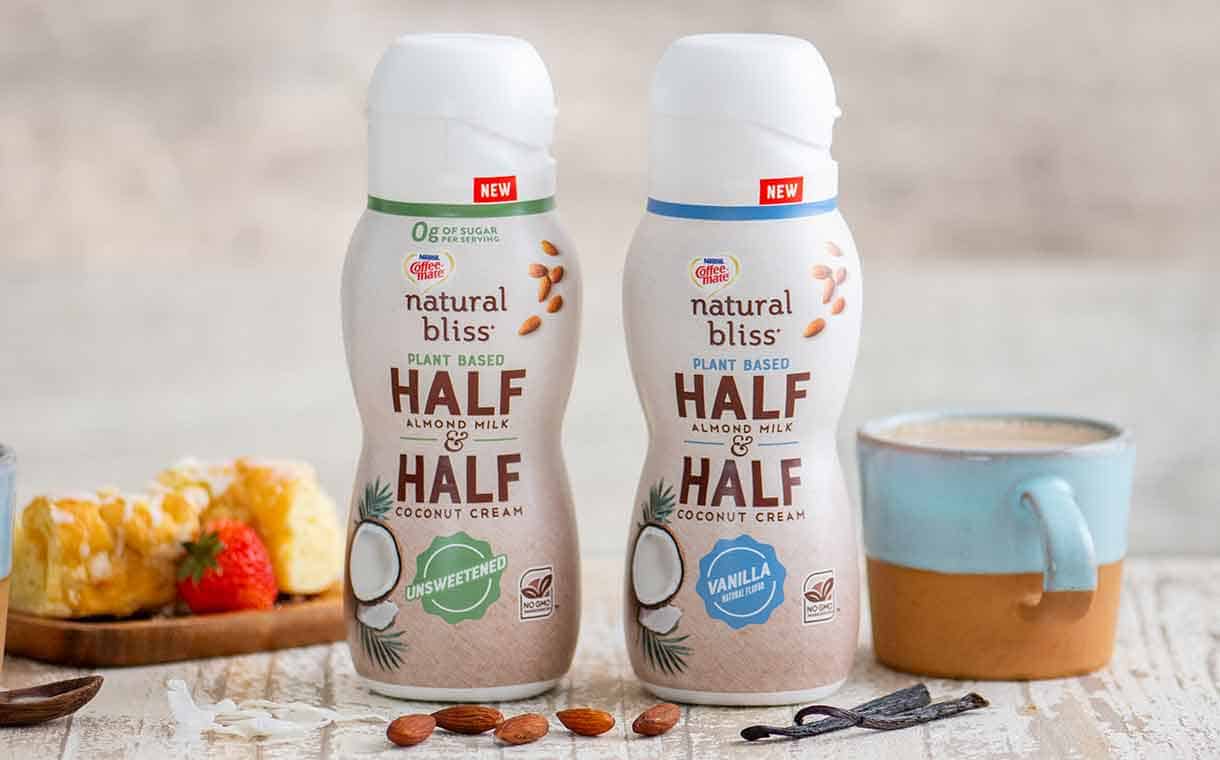
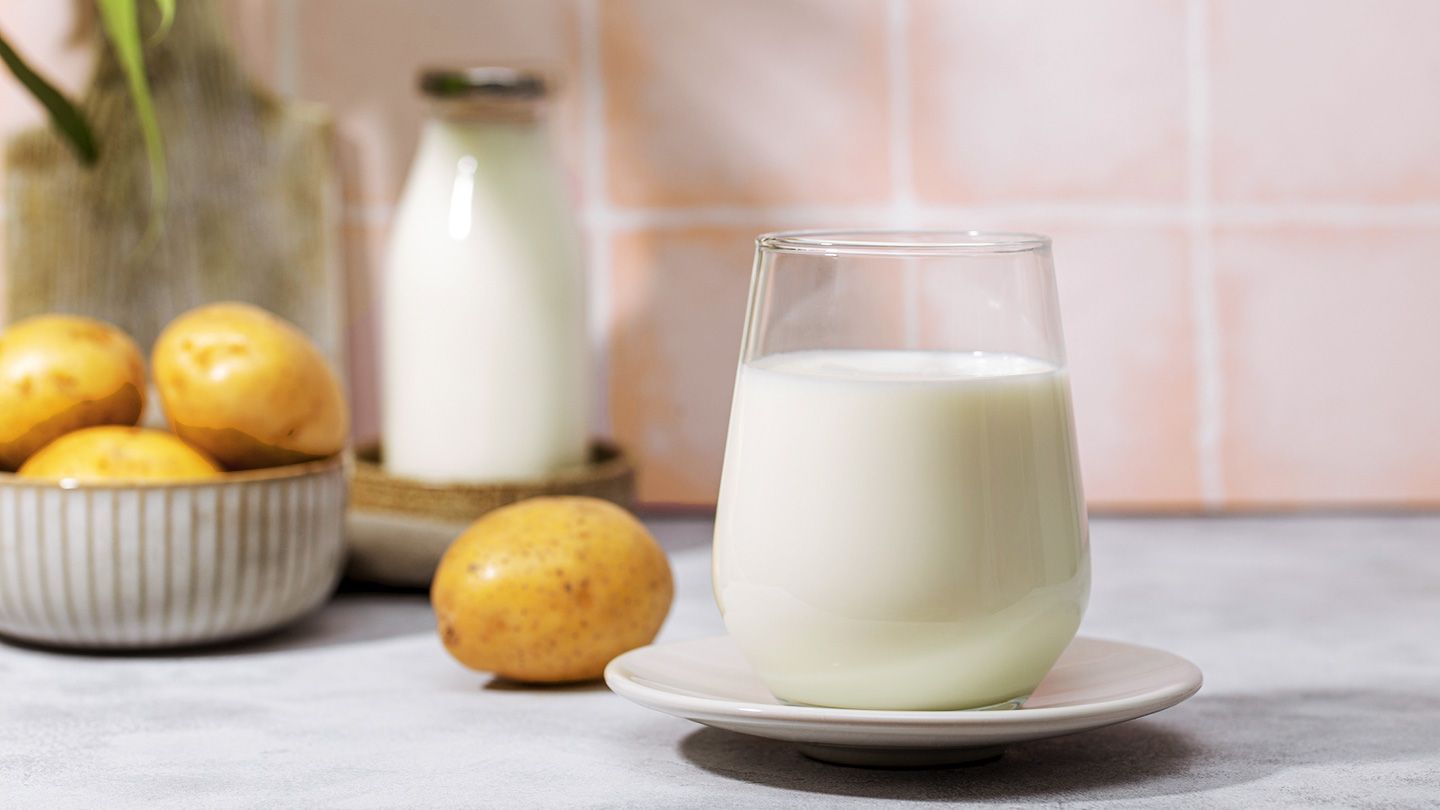
If you’ve been to any supermarket recently, you would’ve noticed the shelf space dedicated to milk alternatives such as oat, soy, almond, and rice is expanding. Though they’re not strictly speaking ‘milk’, these plant-based beverages are gaining favour among consumers looking for a dairy-free option in their coffee mugs and cereal bowls.

According to the Australian Bureau of Statistics, we’re now drinking about half a metric cup of milk alternatives per person every week. In the milk marketplace, consumption of the likes of soy and almond milk is increasing at the same rate dairy milk is falling.

Experts from UNSW Sydney say there are many reasons we’re leaving cow’s milk behind in favour of the plant-based kind, including health reasons, ethical choices, and personal preferences.

Lactose intolerance and more products available

plant-based

Professor Johannes le Coutre, School of Chemical Engineering, UNSW Engineering, says he’s not surprised by the expansion of the plant-based milk aisle. The food and health expert says in the first place, human bodies are not physiologically optimised to digest dairy milk.

“Food history is full of examples where we try to mimic animal products, so having plant-based milk is not an entirely new idea,” Prof. le Coutre says.

“Human adults are not necessarily the target consumers for cow’s milk in nature. It’s a product meant for babies, specifically for cow babies,” he says.

Many adults have an intolerance to lactose – the sugar in dairy – to some degree. If they drink cow’s milk or eat other dairy by-products, they can experience bloating, pain and diarrhoea. For those people, plant-based milk offers a lactose-free alternative.

“If someone has an intolerance to dairy, it is easier for their body to digest plant-based milk,” says nutritionist Dr Rebecca Reynolds, adjunct lecturer, School of Population Health, UNSW Medicine & Health. “While some regular milk has the lactose removed, many prefer the taste of plant-based milk.”

Researcher in consumer behaviour, Associate Professor Nitika Garg, School of Marketing, UNSW Business School, says the quality and variety of plant-based milk available has improved in recent times.

“The taste is undoubtedly a key factor because consumers don’t want to feel they need to compromise on flavour,” A/Prof. Garg says. “Today, if you feel uncomfortable consuming dairy milk, there are a lot more alternatives in the market you can try that weren’t available 20 years ago.”

An ethical choice for animals and the environment

There's a reason plant-based 'milks' are becoming more popular close up shot of some almonds dropped in almond milk from above 5

Many people are also switching up their milk of choice for ethical reasons. One concern is the treatment of livestock in the dairy milk production process.

“There is a movement of consumers who resent animal products – such as milk – because they are not necessarily associated with good animal welfare,” Prof. le Coutre says.

To produce milk, cows must give birth. If the calves are not needed as replacements for the milking herd, they are killed, often not humanely. More cows die per calorie of milk production than cattle for meat production.

A/Prof. Garg says some of the growth in plant-based milks can also be attributed to changing consumer perceptions about the sustainability of the dairy industry. There is growing awareness about the impact it is having on the climate and the environment.

Research suggests a dairy-free diet could be a more environmentally friendly option, and people can make significant moves for the environment by just reducing their dairy intake, Dr Reynolds says.

Some plant milks might be more planet friendly than others though. For example, it’s estimated that growing a single almond requires 12 litres of water. Still, almond milk uses less land and water than dairy milk and has lower greenhouse gas emissions.

“[But] there are challenges when it comes to plant-based products in that they usually destroy a lot of nutritional goodness and require a lot of resources just to mimic a product [milk] that isn’t intended for human consumption in the first place,” Prof. le Coutre says.

Health benefits and caloric concerns

There's a reason plant-based 'milks' are becoming more popular close up shot of different plant milks and their main ingredient 7

Milk alternatives are also becoming an increasingly popular choice among health-conscious consumers. But what some consider to be a ‘healthier’ option is not always the case, Prof. le Coutre says.

So how does dairy milk stack up nutritionally against plant-based milk? While there is scepticism about the health impacts of dairy products, evidence suggests dairy benefits health.

“Overall, cow’s milk has a better nutritional profile than plant milks, with more protein and micronutrients like calcium,” Dr Reynolds says. “However, plant-based milks often have micronutrients added to them, can have less overall fat and saturated fat than dairy milk and more healthy plant phenol antioxidants.”

There’s a wide variety of plant-based milks in the market, like oat, almond and rice, with varying nutritional quality. Soy might be the strongest dairy-free plant alternative in terms of nutritional profile.

“Some have added refined sugar, which includes ingredients like ‘organic brown rice syrup’, which is less healthy than the natural sugar lactose that’s found in cow’s milk,” Dr Reynolds says. “This means that they can also be higher in high glycaemic index carbohydrates, which can increase blood glucose levels more than lactose. They also have added oils, which are not as healthy as say olive oil, and they’re not suitable as stand-alone milks for children.”

Dr Reynolds says if plant milk and other dairy substitutes are fortified – that is, have micronutrients like calcium added – there might not be a need to supplement in a diet. However, it’s estimated over 50 per cent of Australians aged 2 years and above don’t consume enough calcium and other micronutrients.

“Overall, plant-based diets are still strongly linked to good health,” Dr Reynolds says.

The future of plant-based milk

There's a reason plant-based 'milks' are becoming more popular vznXdH9erhaUw9LS7mpQmG

With their rapid rise, A/Prof. Garg expects plant-based milk to become an even more dominant player in the milk market. Perhaps one day, it might even supplant dairy milk in popularity.

“Much of the growth to date appears to be consumer-driven, so I would expect the trend to continue to grow. As these brands continue to scale up their manufacturing and marketing efforts, there’s a huge opportunity for a true milk substitute to emerge and compete with dairy,” she says.

A/Prof. Garg says governments also have a chance to take advantage of the anticipated global demand in the industry.

“People are choosing plant-based milk more and more, and so it would make sense for governments to take advantage of the opportunity to support the production here in Australia,” she says. “It would also still be supporting the Australian agricultural industry, which is an important consideration for some consumers.”

In the short-term, A/Prof. Garg says switching to plant-based milk might not be realistic for everyone because of its high price point.

“We do have an issue with making products such as plant-based milk accessible for everyone. They are more expensive, and some consumers who might want to switch can’t, especially with the cost of living right now where every dollar counts,” A/Prof. Garg says. “It might be something governments need to explore, to help subsidise in the same way they subsidise the dairy industry.”

Prof. le Coutre says plant-based milk – and plant-based mimetics more generally – will continue to play a significant role in strengthening our global food system.

“Plant-based products, existing animal-based materials and, someday soon, cell-based and blended products improve our food choices,” Prof. le Coutre says. “As we expand our portfolio of products, it enriches the spectrum of offerings in the market to everybody’s benefit.”

“Overall, if you can afford it, buying a plant-based milk fortified with micronutrients like calcium and without added sugar can be a good way to use your consumer power to help the environment and climate change,” Dr Reynolds says.

Tags: Alternative ProteinMARKETINGVegan
Previous Post

A SELECTION OF 6 RESTAURANTS IS NOW SERVING VEGAN FLANK STEAK

Next Post

ALASKA AIRLINES’ NEW “SOY MEETS WORLD” VEGAN MEAL CELEBRATES THE BEST OF SUMMER

Admin

Admin

Related Posts

Columbus’ Matrix Meats breaking down the stigma of lab-grown meat

Columbus’ Matrix Meats breaking down the stigma of lab-grown meat

Matrix Meats was spun out from Dublin-basedb Nanofiber Solutions, which creates novel health care products under a family of companies that includes Ikostrips (purer CBD edibles) and Renovaderm (scaffolding for skin tissue...

Technological advancements in lab-grown meat and dairy

Technological advancements in lab-grown meat and dairy

August 1, 2022
0

Lab-grown meat and dairy technology Two cutting-edge food research entities are combining to form a New Zealand first in advanced science after an agreement was signed by the Riddet Institute and AgResearch...

Sugar Cane Milk could revolutionize plant-based milk market

Sugar Cane Milk could revolutionize plant-based milk market

September 10, 2023
0

By Trinity Sparke As the demand for plant-based milk alternatives continues to soar, consumers have witnessed an influx of options ranging from almond and soy to oat and rice milk. The plant-based milk industry...

Opalia achieves multiple milestones in cultured dairy, says CULT Food Science

Opalia achieves multiple milestones in cultured dairy, says CULT Food Science

July 13, 2022
0

Opalia has also successfully replaced fetal bovine serum (FBS) in its process of making non-animal dairy, allowing it to reduce the cost and risk of manufacturing cell-based milk, the Vancouver-based company said....

Load More
Next Post
ALASKA AIRLINES’ NEW “SOY MEETS WORLD” VEGAN MEAL CELEBRATES THE BEST OF SUMMER

ALASKA AIRLINES’ NEW “SOY MEETS WORLD” VEGAN MEAL CELEBRATES THE BEST OF SUMMER

Leave a Reply Cancel reply

Your email address will not be published. Required fields are marked *

About US

At CultivatedMeats, we’re passionate about the future of food, products, and events that are grown and produced in harmony with nature. We believe in a world where cultivation goes beyond just farming and enters every aspect of our lives.

Cultivated Meats all right reserved text © 2024

Welcome Back!

Login to your account below

Forgotten Password?

Retrieve your password

Please enter your username or email address to reset your password.

Log In
No Result
View All Result
  • Cultivated food
    • Alternative Meat
    • Alternative Protein
    • Article
    • Cultivated meats
    • Lab-grown meat
    • Plant-based food
    • Seafood
  • World
  • Science
  • Regulations
  • Opinion
  • Short News
  • Business
  • Cultivated Seafood
  • EVENT
  • Technology

Cultivated Meats all right reserved text © 2024