

• Home
  • Team
  • World
  • Cultivated meats
Saturday, January 10, 2026
No Result
View All Result
  • Login
Cultivated Food Article and News
  • Cultivated foodTrend
    • All
    • Alternative Meat
    • Alternative Protein
    • Article
    • Cultivated meats
    • Lab-grown meat
    • Plant-based food
    • Seafood
    • Short News

    Chicken Road 2: Il suono che guida la guida silenziosa

    Tower Rush : Le secret des badges à deux ans de résilience

    Tower Rush : Croissance urbaine et cryptographie dans la ville du futur

    Supercharged Clovers Hold and Win: When Clocks Meet Chaos in Celestial Mechanics

    Tower Rush : Le nombre d’or qui défie l’équilibre collectif

    Supercharged Clovers Hold and Win: Rewiring Decision-Making with Structured Chance

    Il paradosso di Monty Hall e le funzioni convesse: una chiave di calcolo italiana

    Goldene Zufallssimulation: Wie Kongruenzgeneratoren Ideen formen

    The Evolution of Efficient Innovation Through Mathematical Insight

    • Alternative Meat
    • Alternative Protein
    • Article
    • Cultivated meats
    • Lab-grown meat
    • Plant-based food
    • Seafood
  • World
    AdobeStock_2854144561

    “We’re reimagining meat to spare land and resources, but never flavour” Nicolas Morin-Forest said.

    head-74

    Plant-Based Meats Market Is Booming Worldwide | Gold&Green Foods, Maple Leaf Foods, Amy’s Kitchen, Garden Protein International, Quorn Foods and more

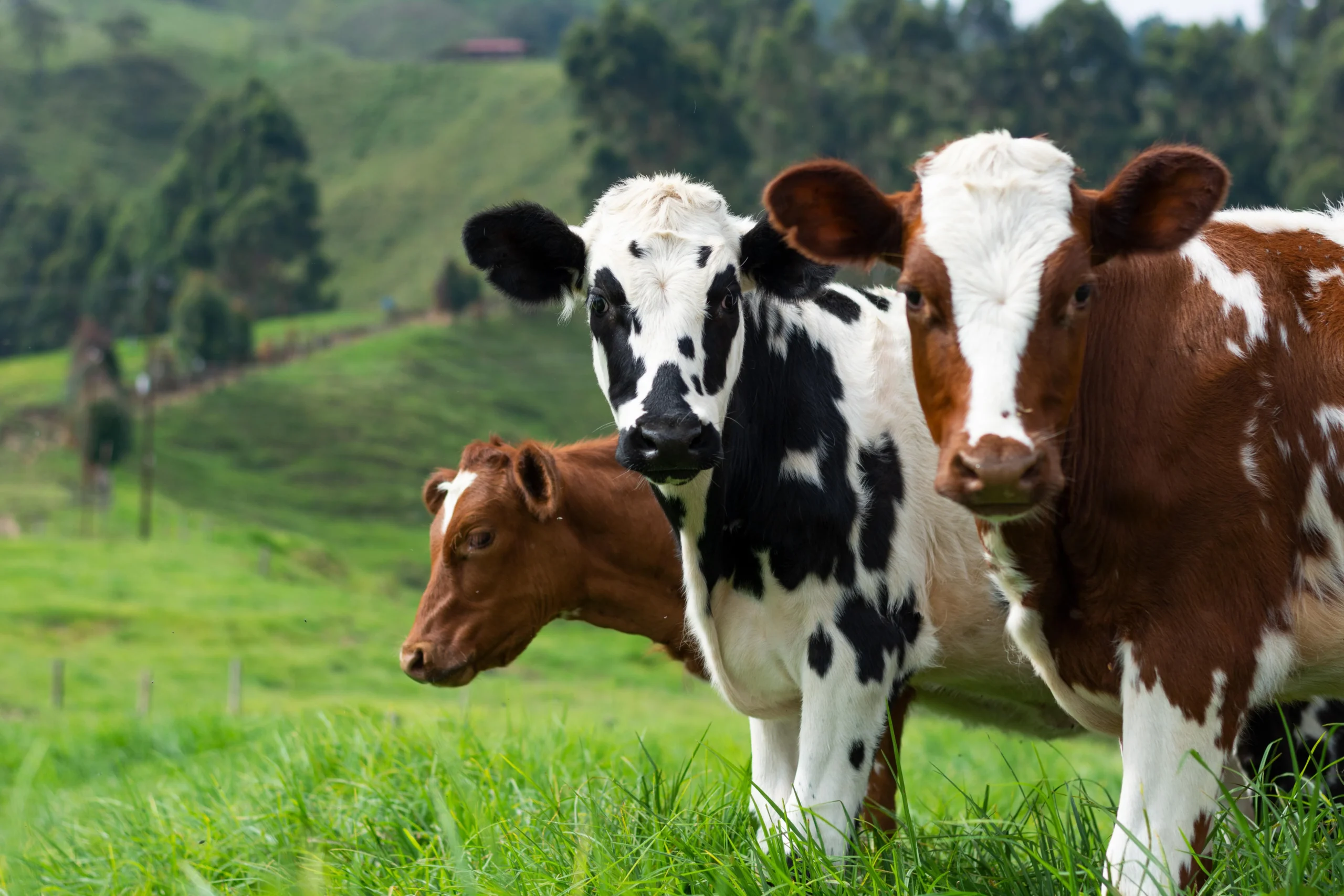
    brown-and-white-cow-on-green-grass-field-during-daytime

    The meat paradox: how your brain wrestles with the ethics of eating animals

    Are chicken feathers a greener alternative to polyester and nylon?

    Are chicken feathers a greener alternative to polyester and nylon?

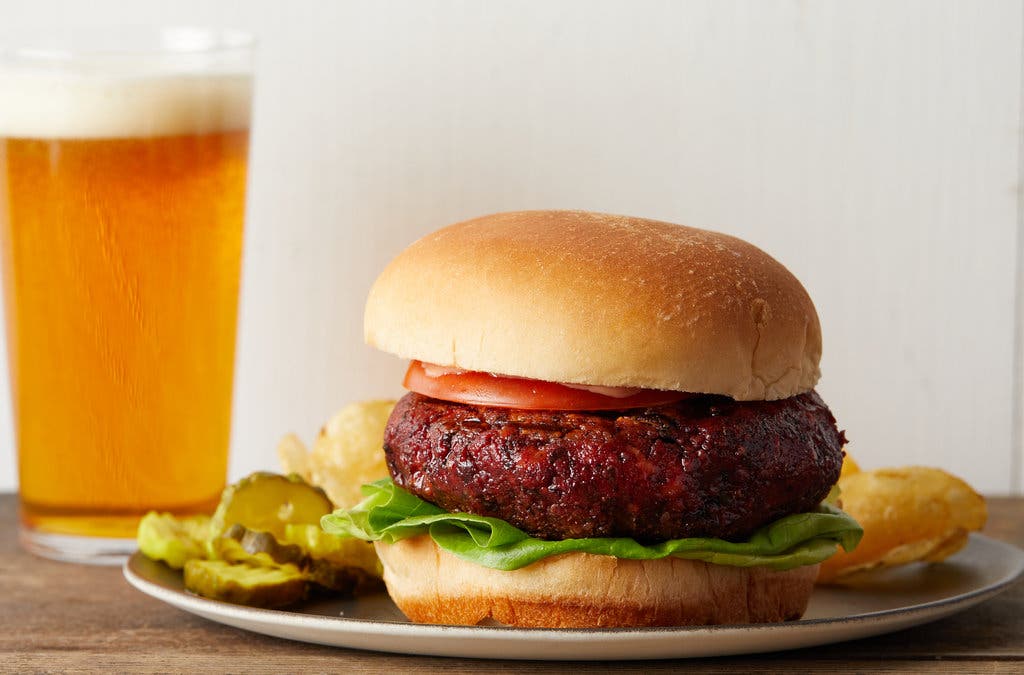
    The Best Veggie Burgers Are Made With Vegetables

    The Best Veggie Burgers Are Made With Vegetables

  • Science
  • Regulations
  • Opinion
  • Short News
  • Business
  • Cultivated Seafood
  • EVENT
  • Technology
  • Cultivated foodTrend
    • All
    • Alternative Meat
    • Alternative Protein
    • Article
    • Cultivated meats
    • Lab-grown meat
    • Plant-based food
    • Seafood
    • Short News

    Chicken Road 2: Il suono che guida la guida silenziosa

    Tower Rush : Le secret des badges à deux ans de résilience

    Tower Rush : Croissance urbaine et cryptographie dans la ville du futur

    Supercharged Clovers Hold and Win: When Clocks Meet Chaos in Celestial Mechanics

    Tower Rush : Le nombre d’or qui défie l’équilibre collectif

    Supercharged Clovers Hold and Win: Rewiring Decision-Making with Structured Chance

    Il paradosso di Monty Hall e le funzioni convesse: una chiave di calcolo italiana

    Goldene Zufallssimulation: Wie Kongruenzgeneratoren Ideen formen

    The Evolution of Efficient Innovation Through Mathematical Insight

    • Alternative Meat
    • Alternative Protein
    • Article
    • Cultivated meats
    • Lab-grown meat
    • Plant-based food
    • Seafood
  • World
    AdobeStock_2854144561

    “We’re reimagining meat to spare land and resources, but never flavour” Nicolas Morin-Forest said.

    head-74

    Plant-Based Meats Market Is Booming Worldwide | Gold&Green Foods, Maple Leaf Foods, Amy’s Kitchen, Garden Protein International, Quorn Foods and more

    brown-and-white-cow-on-green-grass-field-during-daytime

    The meat paradox: how your brain wrestles with the ethics of eating animals

    Are chicken feathers a greener alternative to polyester and nylon?

    Are chicken feathers a greener alternative to polyester and nylon?

    The Best Veggie Burgers Are Made With Vegetables

    The Best Veggie Burgers Are Made With Vegetables

  • Science
  • Regulations
  • Opinion
  • Short News
  • Business
  • Cultivated Seafood
  • EVENT
  • Technology
No Result
View All Result
Cultivated Food Article and News
No Result
View All Result
Home Cultivated food

REPLACING 20 PERCENT OF BEEF WITH MUSHROOM MEAT CAN CUT DEFORESTATION IN HALF BY 2050

by Admin
May 5, 2022
in Cultivated food
Reading Time: 4 mins read
0 0
0
0
SHARES
152
VIEWS
Share on FacebookShare on Twitter

Shifting the world’s meat production from cattle to microbial fermentation can have extraordinary effects on the planet, according to a study conducted by researchers at the Potsdam Institute for Climate Impact Research (PIK) and published today in the scientific journal Nature. Researchers in Germany and Sweden used computer modeling to determine the effects of producing meat using microbial fermentation in the context of the global food system from now through 2050—when the human population is expected to reach 10 billion. 

PIK found that replacing 20 percent of traditionally produced beef with fungi-based meat produced using microbial fermentation results in a 50-percent reduction in deforestation by 2050, along with other environmental improvements. “The food system is at the root of a third of global greenhouse gas emissions, with ruminant meat production being the single largest source,” the lead author of the study Florian Humpenöder said in a statement. “The substitution of ruminant meat with microbial protein in the future could considerably reduce the greenhouse gas footprint of the food system.” 

REPLACING

Producing meat in this way involves microbes taking the place of cows in protein production. They are fed sugars and produce proteins in cultures similar to the way beer and bread is made and the resulting meat is far more environmentally friendly given the savings in resources such as land and water—which is used both to grow feed for ruminants and to feed and water them directly. This method also substantially slashes greenhouse gas emissions, in particular methane, a powerful gas emitted by cows through burps and farts. 

“The good news is that people do not need to be afraid they can eat only greens in the future,” Humpenöder said. “They can continue eating burgers and the like, it’s just that those burger patties will be produced in a different way.”

Making vegan meat with microbes 

Microbial fermentation is not a new concept and has been used in the food industry for decades. In 2002, the United States Food and Drug Association (FDA) greenlit the use of “mycoprotein”—or protein made using this fungi-based fermentation—in food. Currently, Quorn is the company best known for using mycoprotein to make its products which include meatless chicken, burgers, and grounds. 

And this category is growing with new and exciting discoveries. Chicago-based Nature’s Fynd recently launched its innovative Meatless Breakfast Patties at select locations of Whole Foods Market nationwide. Nature’s Fynd makes its products using a unique protein it calls “Fy,” which has its origins in Yellowstone National Park. 

REPLACING 20 PERCENT OF BEEF WITH MUSHROOM MEAT CAN CUT DEFORESTATION IN HALF BY 2050 VegNews.NaturesFynd 1

In 2008, the company’s co-founder Mark Kozubal, PhD, stumbled upon the microbe—called Fusarium strain flavolapis—while researching microbes that exist in extreme conditions for NASA. Kozubal isolated the microbe and, together with the team at Nature’s Fynd, created a fermentation technology that produced Fy, an animal-free complete protein that contains all 20 amino acids, vitamins, minerals, and fiber. In addition to making meatless patties, Nature’s Fynd uses Fy to make dairy-free products such as vegan cream cheese.  

“Biotechnology offers a promising toolbox for a number of land-related challenges from ecosystems preservation through improving food security,” PIK study co-author Alexander Popp, who also leads PIK’s Land Use Management Group, said in a statement. “Alternatives to animal proteins, including substitutes for dairy products, can massively benefit animal welfare, save water, and avert pressure from carbon-rich and biodiverse ecosystems.” 

Slashing meat consumption to save the planet

The findings from PIK follow a report released last week by researchers at The University of Bonn in Germany who advised that in order to meet climate goals—and avoid planetary catastrophe—wealthier nations must reduce their meat consumption by at least 75 percent. And reducing traditional meat consumption does not have to mean that humans need to stop eating meat—only that its production method must change. 

REPLACING 20 PERCENT OF BEEF WITH MUSHROOM MEAT CAN CUT DEFORESTATION IN HALF BY 2050 attachment GettyImages 967781128 1

The PIK study looked only at the environmental benefits of replacing beef with meat made using fungi-based microbial fermentation. However, consumers can make an even larger impact by replacing beef and other animal-derived products with plant-based alternatives, which are also far less resource-intensive. While only approved for sale (for now) in Singapore, cultivated meat—or real meat made using a small number of animal cells grown in a lab-setting and scaled in a brewery-like process—has far-reaching environmental implications, as well. 

“A large-scale transformation toward biotech food requires a large-scale decarbonization of electricity generation so that the climate protection potential can be fully developed,” Dopp advised. “Yet if we can do this properly, microbial protein can help meat-lovers embrace the change. It can really make a difference.” 

Tags: cultivated meatMARKETINGPlant-based food
Previous Post

In the Future, Leather Will Be Grown in labs

Next Post

Will Animal Agriculture Be Eliminated? Anuj Maheshwari, Head of Agri-Food Investing at Temasek Responds

Admin

Admin

Related Posts

Cultured beef Market Industry Trends, Share, Size, Analysis of Top Key Players, and Forecast Research | Market Overview Report for the Years 2022-2027

Cultured beef Market Industry Trends, Share, Size, Analysis of Top Key Players, and Forecast Research | Market Overview Report for the Years 2022-2027

February 1, 2022
0

The global cultured beef market is expected to witness market growth at a rate of 5.5% in the forecast period of 2021 to 2028 and is expected to reach USD 0.82 billion...

Cultivated meat and food technology embraced by Biden’s executive order

Cultivated meat and food technology embraced by Biden’s executive order

September 14, 2022
0

United States President Joe Biden is implementing an initiative to reposition the country as a leader in biotechnology and biomanufacturing as it applies to a variety of industries, including “cultivating alternative food...

U512178533_g

Huge Opportunities in Cultured Meat Market Development, History, Trends, Demand, Analysis and Forecast(2022-2028)

February 21, 2022
0

Cultured Meat Market Cultured Meat Market has been growing faster in recent years with significant growth rates and is expected to grow significantly in the forecast period from 2022 to 2028. Global...

China’s Labeling Rules for Plant-Based Foods?

China’s Labeling Rules for Plant-Based Foods?

October 3, 2022
0

Labeling standards Companies looking to launch plant-based foods in China may be concerned about how to label their products appropriately. But what are the regulations, if any? At present, animal-free products are...

Load More
Next Post
Will Animal Agriculture Be Eliminated? Anuj Maheshwari, Head of Agri-Food Investing at Temasek Responds

Will Animal Agriculture Be Eliminated? Anuj Maheshwari, Head of Agri-Food Investing at Temasek Responds

Leave a Reply Cancel reply

Your email address will not be published. Required fields are marked *

About US

At CultivatedMeats, we’re passionate about the future of food, products, and events that are grown and produced in harmony with nature. We believe in a world where cultivation goes beyond just farming and enters every aspect of our lives.

Cultivated Meats all right reserved text © 2024

Welcome Back!

Login to your account below

Forgotten Password?

Retrieve your password

Please enter your username or email address to reset your password.

Log In
No Result
View All Result
  • Cultivated food
    • Alternative Meat
    • Alternative Protein
    • Article
    • Cultivated meats
    • Lab-grown meat
    • Plant-based food
    • Seafood
  • World
  • Science
  • Regulations
  • Opinion
  • Short News
  • Business
  • Cultivated Seafood
  • EVENT
  • Technology

Cultivated Meats all right reserved text © 2024