



• Home
  • Team
  • World
  • Cultivated meats
Monday, December 15, 2025
No Result
View All Result
  • Login
Cultivated Food Article and News
  • Cultivated foodTrend
    • All
    • Alternative Meat
    • Alternative Protein
    • Article
    • Cultivated meats
    • Lab-grown meat
    • Plant-based food
    • Seafood
    • Short News

    Chicken Road 2: Il suono che guida la guida silenziosa

    Supercharged Clovers Hold and Win: When Clocks Meet Chaos in Celestial Mechanics

    Supercharged Clovers Hold and Win: Rewiring Decision-Making with Structured Chance

    Goldene Zufallssimulation: Wie Kongruenzgeneratoren Ideen formen

    The Evolution of Efficient Innovation Through Mathematical Insight

    Geometrie der Ordnung: Wie Symmetrie im Traumspiel lebt

    Markov-Ketten und die Kunst schneller, fundierter Entscheidung

    A rapid expansion of the cultured meat market is meeting consumer demand

    Lab-grown meat is in high demand in the APAC region

    The Alternative Protein Revolution: Is India Ready?

    The Alternative Protein Revolution: Is India Ready?

    • Alternative Meat
    • Alternative Protein
    • Article
    • Cultivated meats
    • Lab-grown meat
    • Plant-based food
    • Seafood
  • World
    AdobeStock_2854144561

    “We’re reimagining meat to spare land and resources, but never flavour” Nicolas Morin-Forest said.

    head-74

    Plant-Based Meats Market Is Booming Worldwide | Gold&Green Foods, Maple Leaf Foods, Amy’s Kitchen, Garden Protein International, Quorn Foods and more

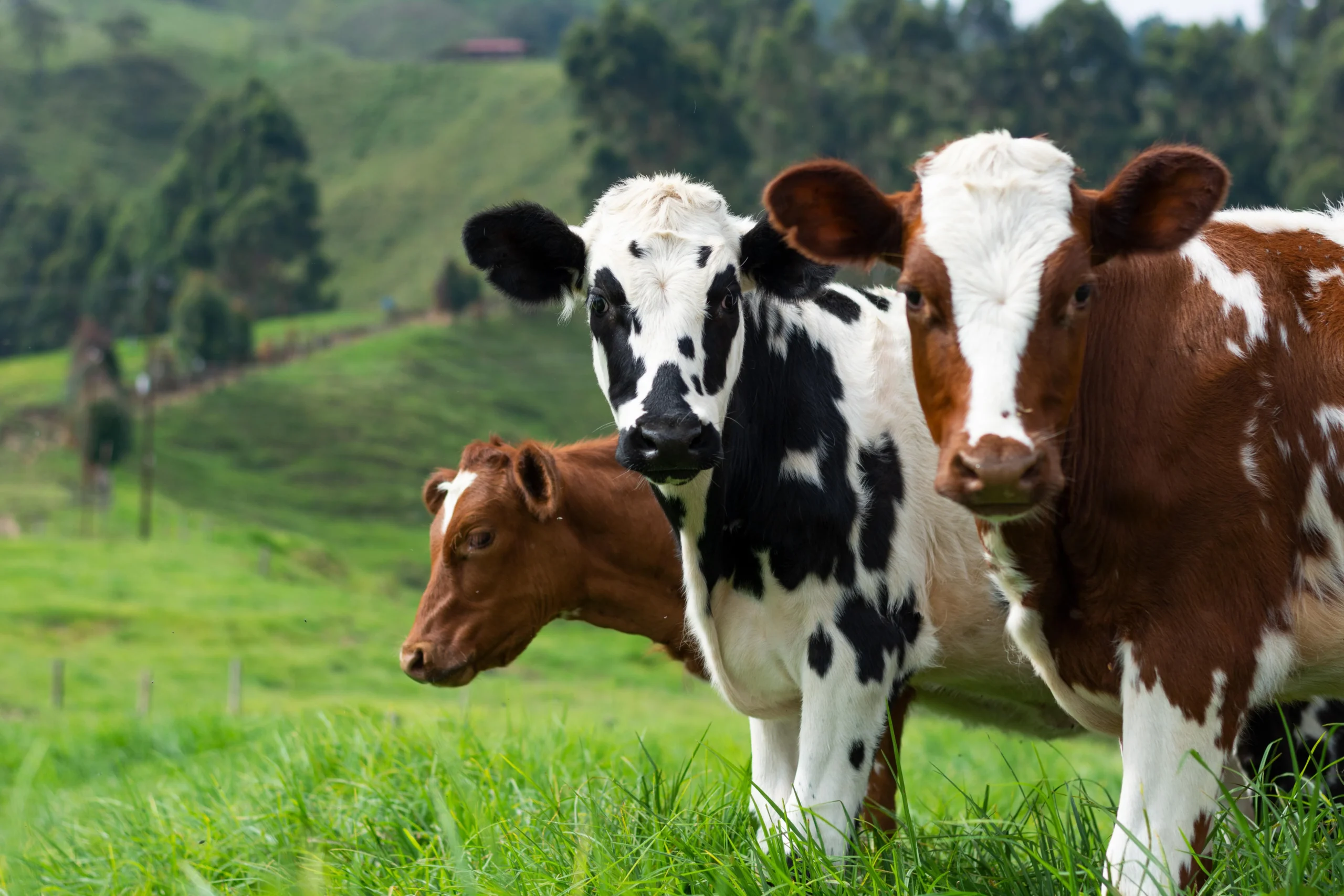
    brown-and-white-cow-on-green-grass-field-during-daytime

    The meat paradox: how your brain wrestles with the ethics of eating animals

    Are chicken feathers a greener alternative to polyester and nylon?

    Are chicken feathers a greener alternative to polyester and nylon?

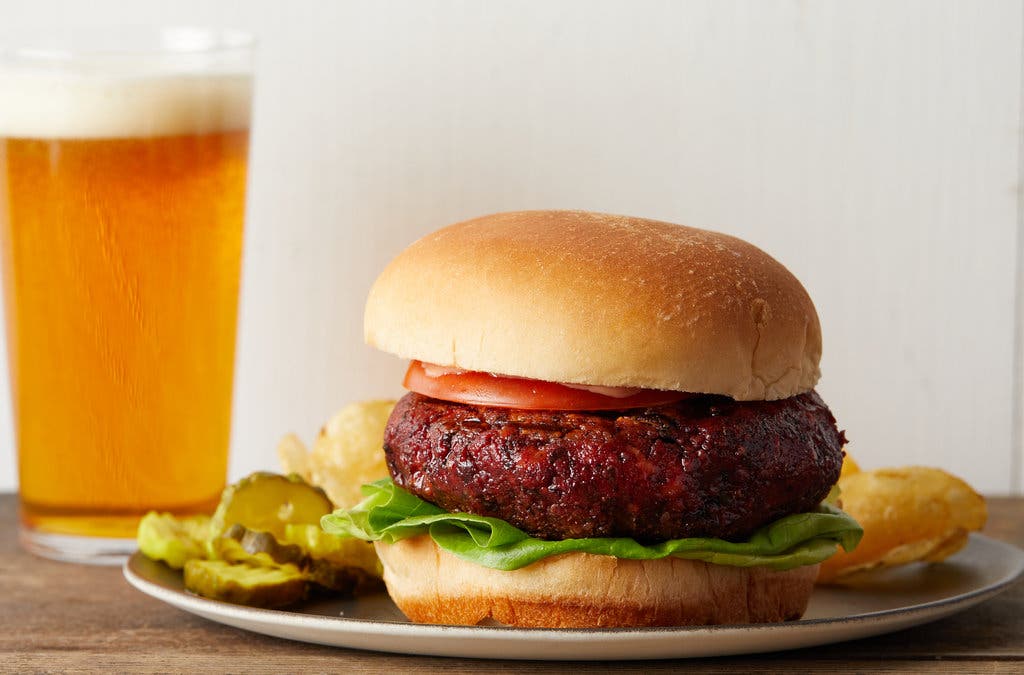
    The Best Veggie Burgers Are Made With Vegetables

    The Best Veggie Burgers Are Made With Vegetables

  • Science
  • Regulations
  • Opinion
  • Short News
  • Business
  • Cultivated Seafood
  • EVENT
  • Technology
  • Cultivated foodTrend
    • All
    • Alternative Meat
    • Alternative Protein
    • Article
    • Cultivated meats
    • Lab-grown meat
    • Plant-based food
    • Seafood
    • Short News

    Chicken Road 2: Il suono che guida la guida silenziosa

    Supercharged Clovers Hold and Win: When Clocks Meet Chaos in Celestial Mechanics

    Supercharged Clovers Hold and Win: Rewiring Decision-Making with Structured Chance

    Goldene Zufallssimulation: Wie Kongruenzgeneratoren Ideen formen

    The Evolution of Efficient Innovation Through Mathematical Insight

    Geometrie der Ordnung: Wie Symmetrie im Traumspiel lebt

    Markov-Ketten und die Kunst schneller, fundierter Entscheidung

    A rapid expansion of the cultured meat market is meeting consumer demand

    Lab-grown meat is in high demand in the APAC region

    The Alternative Protein Revolution: Is India Ready?

    The Alternative Protein Revolution: Is India Ready?

    • Alternative Meat
    • Alternative Protein
    • Article
    • Cultivated meats
    • Lab-grown meat
    • Plant-based food
    • Seafood
  • World
    AdobeStock_2854144561

    “We’re reimagining meat to spare land and resources, but never flavour” Nicolas Morin-Forest said.

    head-74

    Plant-Based Meats Market Is Booming Worldwide | Gold&Green Foods, Maple Leaf Foods, Amy’s Kitchen, Garden Protein International, Quorn Foods and more

    brown-and-white-cow-on-green-grass-field-during-daytime

    The meat paradox: how your brain wrestles with the ethics of eating animals

    Are chicken feathers a greener alternative to polyester and nylon?

    Are chicken feathers a greener alternative to polyester and nylon?

    The Best Veggie Burgers Are Made With Vegetables

    The Best Veggie Burgers Are Made With Vegetables

  • Science
  • Regulations
  • Opinion
  • Short News
  • Business
  • Cultivated Seafood
  • EVENT
  • Technology
No Result
View All Result
Cultivated Food Article and News
No Result
View All Result
Home Cultivated food Plant-based food

How Eco-Friendly Are Beyond Burgers?

by Admin
May 21, 2022
in Plant-based food
Reading Time: 7 mins read
0 0
0
0
SHARES
169
VIEWS
Share on FacebookShare on Twitter

We’ve already investigated the ingredients it takes to make Impossible Burgers. Now, we’re diving into another popular plant-based meat on the market: the Beyond Burger.

Whether it’s participating in meatless Mondays or shifting to a plant-based diet, reducing your meat intake is a great way to reduce your carbon footprint. According to the Food and Agriculture Organization (FAO), global livestock emissions have reached about 7 gigatons of carbon dioxide equivalent gas emissions per year—aka 14.5% of all human-produced emissions. 

With an increased demand for plant-based meat—roughly 80 million Americans used plant-based meat alternatives in 2020—brands are delivering more options for plant-based eaters. You can find various plant-based meat alternatives at the grocery store or even at fast-food restaurants.

However, the question most people have is: What’s in a Beyond Burger, and is it eco-friendly? Let’s dive in.

Beyond Burger Ingredients

Beyond

It may be hard to believe that this burger, made completely out of plants, looks and tastes like real meat. It even “bleeds.” So, what’s in the Beyond Burger that has even meat-lovers ordering this patty?

According to Beyond Meat, the plant-based beef gets its 20 grams of protein per serving from pea protein and rice protein. The burger-like texture comes from potato starch and methylcellulose. And to get the red meat-like color, Beyond Meat uses beet extract rather than the Impossible Burger’s soy leghemoglobin.

For the sizzle on the grill, fats like cocoa butter, coconut oil, and expeller-pressed canola oil are used. And finally, minerals such as calcium and iron are included to deliver the nutrients you may expect from meat.

Full List of Beyond Burger Ingredients

Water, pea protein, expeller-pressed canola oil, refined coconut oil, rice protein, natural flavors, dried yeast, cocoa butter, methylcellulose, and less than 1% of potato starch, salt, potassium chloride, beet juice color, apple extract, pomegranate concentrate, sunflower lecithin, vinegar, lemon juice concentrate, vitamins and minerals (zinc sulfate, niacinamide [vitamin B3], pyridoxine hydrochloride [vitamin B6], cyanocobalamin [vitamin B12], calcium pantothenate).

Now that we’re sure Beyond Burgers have moved beyond meat, we still want to know whether or not they’re good for the planet.

How Sustainable Are Beyond Burgers?

How Eco-Friendly Are Beyond Burgers? Beyond Burger 2 edited

If you’re looking to try a Beyond Burger, you can find them at your local grocery store and at some fast-food restaurants. But before you do, let’s get a better understanding of how sustainable they really are.

To see the impact of the plant-based burger, Beyond Meat commissioned the Center for Sustainable Systems at the University of Michigan to conduct a life cycle assessment of the Beyond Burger.

The primary purpose of the “cradle-to-distribution” life cycle assessment was to compare the environmental impacts with those of typical beef production in the U.S.—specifically greenhouse gas emissions, energy use, water use, and land use.

The secondary purpose of the study is to identify ways to improve the environmental performance of the Beyond Burger product chain and provide a benchmark for Beyond Meat so improvement efforts could be measured. 

Ingredients

How Eco-Friendly Are Beyond Burgers? Beyond Meat to go on the offensive in wake of attacks on ultra processed plant based meat We re proud of our ingredients and process

Beef in any form comes with a massive environmental footprint. Just 1 kilogram of beef emits nearly 60 pounds (27.0 kilograms) of carbon dioxide equivalent gases, according to the Environmental Working Group (EWG). 

However, according to the lifestyle assessment report, when compared to the environmental impact of a quarter-pound U.S. beef burger, producing the original Beyond Burger uses significantly less water, land, and energy, and it generates fewer emissions than a typical beef burger.

Specifically, the Beyond Burger uses 99% less water, 93% less land, 46% less energy, and 90% fewer greenhouse gasses than a quarter-pound beef burger.

Even still, the production of some of the main ingredients—specifically pea protein, canola oil, and coconut oil—are responsible for significant contributions to emissions, energy use, and land use. But those footprints aren’t as large as that of beef.

Pea proteins, or pea production, have a relatively low carbon footprint. About 1.2 kilograms of carbon dioxide are emitted to produce 1 kilogram (2.2 pounds) of peas. That’s equivalent to a car driving roughly 2.75 miles.

Canola oil also has a low environmental footprint—it takes about 1.7 kilograms of CO2e to produce 1 kilogram of canola oil. And it also takes 2.1 kilograms of CO2e to produce 1 kilogram of coconut oil.

Another pro: The Beyond Burger ingredients list doesn’t mention soy, which is known for using a significant amount of land for cultivation.

Packaging

According to its website, Beyond Meat’s packaging is recyclable. When purchasing directly from the website, the shipping box and insulation can be put in your curbside recycling.

However, Beyond Meat does mention that recycling guidelines may vary by location; therefore, you’ll need to check individual packaging and local recycling guidelines for more information. Ultimately, Beyond Meat leaves the recyclability component up to the consumer.

The life cycle assessment report also states that Beyond Burger’s polypropylene tray portion of the packaging contributed to the packaging’s share of emissions, energy use, and water use. The study estimates that switching to a polypropylene tray made of “100% postconsumer recycled content” could reduce the Beyond Burger’s emissions by 2% and reduce energy use by 10%.

However, there’s little information about the impact these trays have on the environment and whether the packaging is universally recyclable. We’d like to see more transparency in terms of what the packaging is made of.

The Takeaway

How Eco-Friendly Are Beyond Burgers? BeyondMeatBeef Lead

Overall, plant-based meat has a much lower environmental impact than animal-based meat, including Beyond Burgers. According to the EWG, experts at Oxford have estimated that beef consumption produces more than twice the carbon emissions of consuming lamb and nine times as much as consuming chicken.

And according to our research, swapping foods with a large carbon footprint (aka beef) for foods with a much smaller footprint (aka plant-based options) can reduce your environmental footprint by up to 48%.

With all the plant-based meat options available, it may be difficult to decide which one to add to your shopping cart. But no matter which plant-based burger you choose, small eco-friendly changes in your daily habits—like swapping out meat—make quite the difference for the planet!

Tags: Alternative MeatPlant-based food
Previous Post

BENEO acquires Meatless to expand the portfolio of plant-based solutions

Next Post

Putting Face Masks On Cows Isn’t A Solution To The Climate Crisis – Not Eating Them Is

Admin

Admin

Related Posts

How popular are plant-based diets in Central Europe?

How popular are plant-based diets in Central Europe?

November 30, 2022
0

KRAKOW, POLAND – For the first time, the climate change summit COP hosted several pavilions devoted to food. For example, the UN Food and Agriculture Organization’s Pavilion agenda considered the food shortages that are...

Plant-based Fish Market is Pegged to Grow at a CAGR of 5.8% During 2022-2032 and Reach Over the Value of US$ 1.3 Bn by 2032 | Future Market Insights, Inc.

Plant-based Fish Market is Pegged to Grow at a CAGR of 5.8% During 2022-2032 and Reach Over the Value of US$ 1.3 Bn by 2032 | Future Market Insights, Inc.

October 10, 2022
0

By 2032, the plant-based fish market is expected to be worth nearly US$ 1.3 Billion. Plant-based Meat Market to grow at a CAGR of 19% through 2032. Plant-based Beverage Market to grow...

Plant-based foods should be priced the same as meat, according to consumers

Plant-based foods should be priced the same as meat, according to consumers

February 21, 2023
0

The likelihood of consumers purchasing plant-based foods rather than animal-meat equivalents increases dramatically when priced the same, new research shows. According to the food awareness organization, ProVeg International’s latest survey, most people want...

Potato Milk: Everything You Need to Know

Potato Milk: Everything You Need to Know

September 29, 2022
0

What Is Potato Milk? The world loves potatoes. There seems to be no end to all the wonderful things that we can make with potatoes. Not only are potatoes a staple in diets...

Load More
Next Post
Putting Face Masks On Cows Isn’t A Solution To The Climate Crisis – Not Eating Them Is

Putting Face Masks On Cows Isn’t A Solution To The Climate Crisis – Not Eating Them Is

Leave a Reply Cancel reply

Your email address will not be published. Required fields are marked *

About US

At CultivatedMeats, we’re passionate about the future of food, products, and events that are grown and produced in harmony with nature. We believe in a world where cultivation goes beyond just farming and enters every aspect of our lives.

Cultivated Meats all right reserved text © 2024

Welcome Back!

Login to your account below

Forgotten Password?

Retrieve your password

Please enter your username or email address to reset your password.

Log In
No Result
View All Result
  • Cultivated food
    • Alternative Meat
    • Alternative Protein
    • Article
    • Cultivated meats
    • Lab-grown meat
    • Plant-based food
    • Seafood
  • World
  • Science
  • Regulations
  • Opinion
  • Short News
  • Business
  • Cultivated Seafood
  • EVENT
  • Technology

Cultivated Meats all right reserved text © 2024