


The historic climate legislation is a missed opportunity to cut food emissions, but it can show us how to navigate the messy politics of meat.
The historic Inflation Reduction Act (IRA), poised to soon become law, will drastically reduce America’s carbon footprint over the next decade, chiefly through speeding the deployment of hundreds of gigawatts of clean energy. If and when it’s passed, it will be the most ambitious climate legislation ever enacted in the US.
But the bill will do little to cut emissions from agriculture, one of the most neglected sources of the greenhouse gases methane and carbon dioxide.
Our food system accounts for 11 percent of US greenhouse gas emissions, but just a little over 5 percent of the IRA’s spending is allocated to changing farming practices, according to the Congressional Research Service. And that spending ignores agriculture’s biggest climate culprit: meat and dairy production.
Most of the money allocated for agriculture will pay farmers to employ what the USDA has dubbed “climate-smart” farming practices. But according to NYU environmental studies professor Matthew Hayek and Harvard Law policy fellow Jan Dutkiewicz, those supported practices may not be all that climate-smart, as they’re unlikely to make much of a dent in emissions.
Those measures include improving soil health, reducing water contamination, and protecting pollinators and native plants. They’re good, commonsense practices, to be sure, but ones that won’t meaningfully reduce agriculture emissions. Food waste is another major source of agricultural emissions, but the law does not address it.
The IRA will also incentivize farmers to produce even more crops for biofuels, an inefficient way to reduce carbon emissions that takes up land that could be used for food (or just left alone to sequester carbon).
Even though the money to cut emissions from agriculture is misplaced, the strategy — hand out money to do the right thing rather than penalize polluters for doing the wrong thing — is politically smart, and in keeping with the bill’s carrot rather than stick approach to energy. This approach is projected to cut US greenhouse gas emissions by an astounding 40 percent below 2005 levels by 2030.
Agriculture emissions aren’t a sideshow: Climate researchers say that even if we stopped using fossil fuels tomorrow, we won’t be able to meet the Paris climate agreement’s targets without shrinking food’s carbon footprint too. But the relative success of shrinking the carbon footprint of energy shows a potential path forward for agriculture.
Just like the environmental movement had for decades, the effort to shift our meat-centric food system to a more plant-based one has historically focused on the stick approach: suing farms for pollution, banning the cage confinement of hens and pigs, and even floating the concept of a tax on meat consumption (as I have done).
That approach has a lot of merit. Factory farms directly hurt people and animals, and regulatory efforts are, at their best, alleviating some of that suffering. At their least, they can build public support for a life and death issue that is too often ignored.
Given the fraught politics around meat in America, though, handing out carrots in Congress might be a more politically effective path to reforming the factory farming industry, the emissions that it spews, and the suffering it creates.
But if you thought winning transformational climate legislation was tough, overhauling America’s meat industry is going to be a whole lot harder.
Meat: The third rail of climate politics
Meat has long been central not just to the American diet, but to American identity. So too has abundant, cheap energy, but it doesn’t have quite the same cultural salience in our everyday lives.
When you plug your phone charger into an outlet, it’ll charge all the same whether your electricity source is coal or wind. At the point of consumption, an electron is an electron.
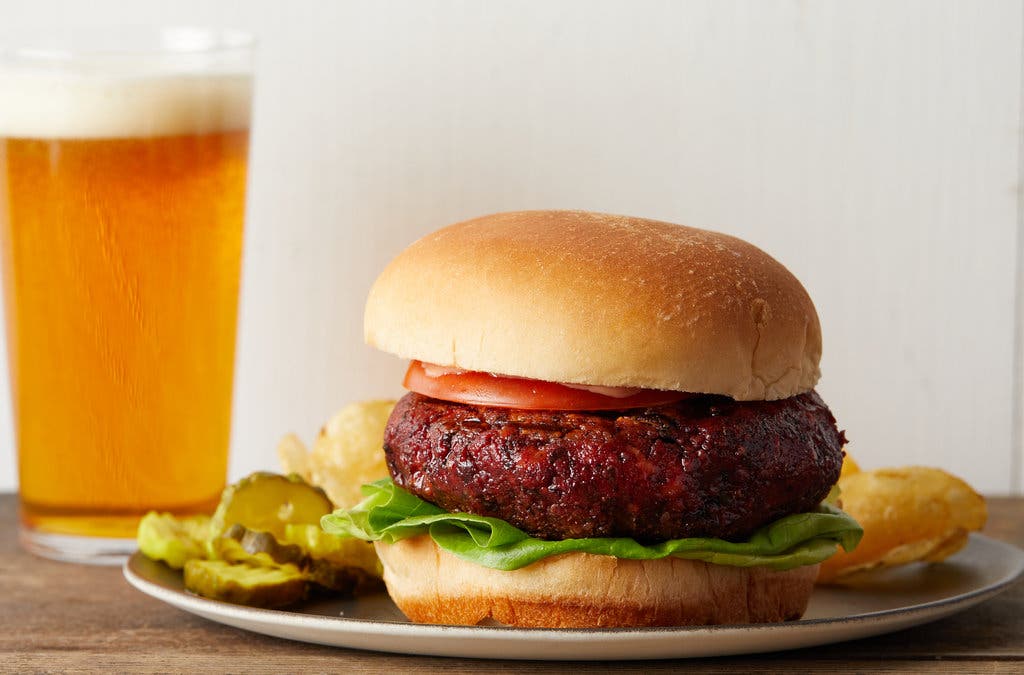
But for most people, there’s still a large gap in taste and cost between a factory-farmed chicken cutlet and the best plant-based meat alternative or a tasty plant-based meal made from scratch. And taste and cost aren’t everything; eating habits are also shaped by culinary traditions and social environment. Overcoming those won’t be easy.
Americans have come to expect cheap meat and lots of it. And that meat is so cheap because there’s little regulation — and weak regulatory enforcement — of the industry’s emissions, mistreatment of animals, air and water pollution, and labor violations.
Pricing those largely unpriced costs would surely raise the cost of meat — a political nonstarter for even some of Washington’s most progressive lawmakers (with a few exceptions). But even if there were sufficient political courage to face down Big Meat, there would be major political consequences; meat producers have a big presence in DC, with Tyson Foods spending more on lobbying, proportional to its revenue than Exxon.
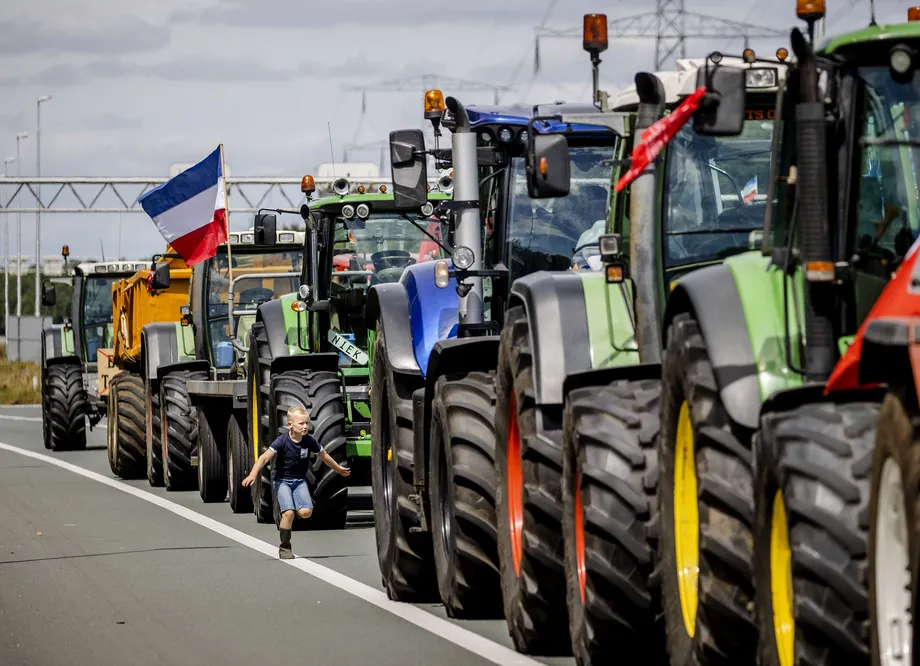
Outside the US, when that courage is exercised, it’s usually met with fierce opposition, which is playing out right now in the Netherlands as farmers jam up highways in protest of policymakers who want to limit livestock herds in order to reduce nitrogen pollution. Similar food fights have occurred in Spain, Italy, and France. Germany is a rare exception, where government ministers have called for a reduction in meat consumption with little pushback.
It’s why Alex Smith at the technology-focused environmental group the Breakthrough Institute has called meat “the third rail of climate politics.” But he says there may be a way out, and it’s through the meat vortex.
Using carrots for a more plant-based food system
To be clear, there is no actual meat vortex. It’s a play on the “green vortex,” a term coined by Atlantic writer Robinson Meyer when he observed that climate change policy becomes easier to pass and enforce as green technology gets better and cheaper.
When the choice is between cheap coal and expensive renewable energy, the better choice for the climate looks like a financial sacrifice. But as the price of renewable energy falls, so does political and cultural resistance to it. Smith says that could happen with meat as plant-based alternatives level up.
The Good Food Institute (GFI), an organization that advocates for plant-based and cell-cultured meat, has a plan to take us through the vortex. It starts with the National Science Foundation and the USDA awarding $1 billion in R&D grants to researchers — for context, that amount would be equivalent to just 5 percent of the IRA’s agriculture spending.
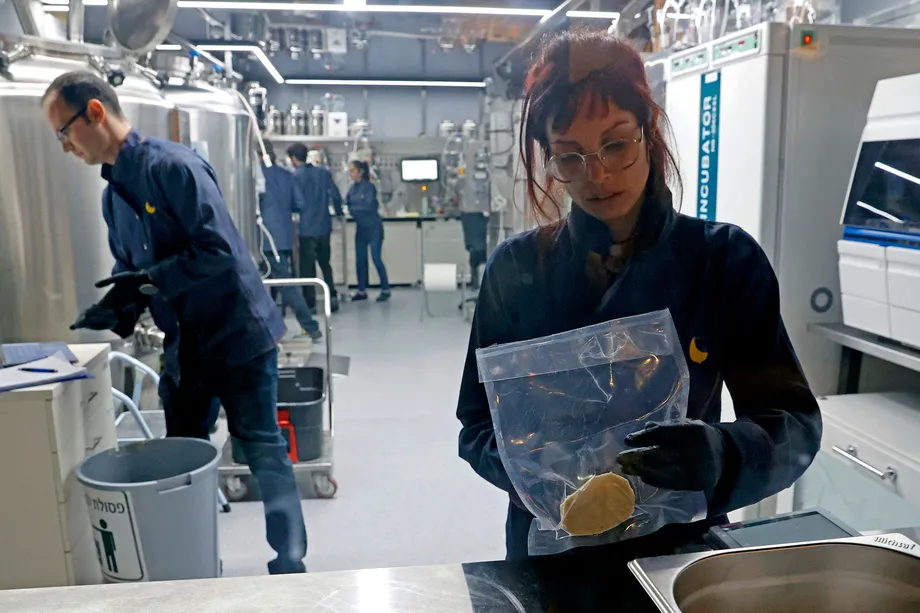
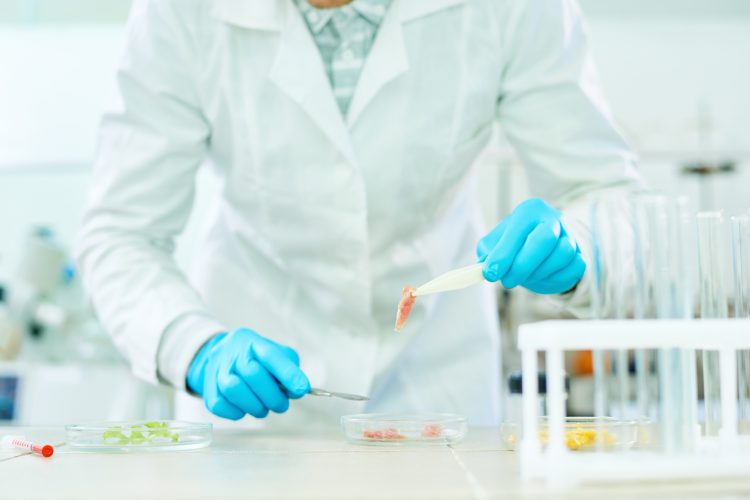
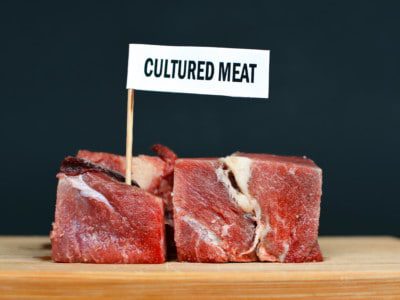
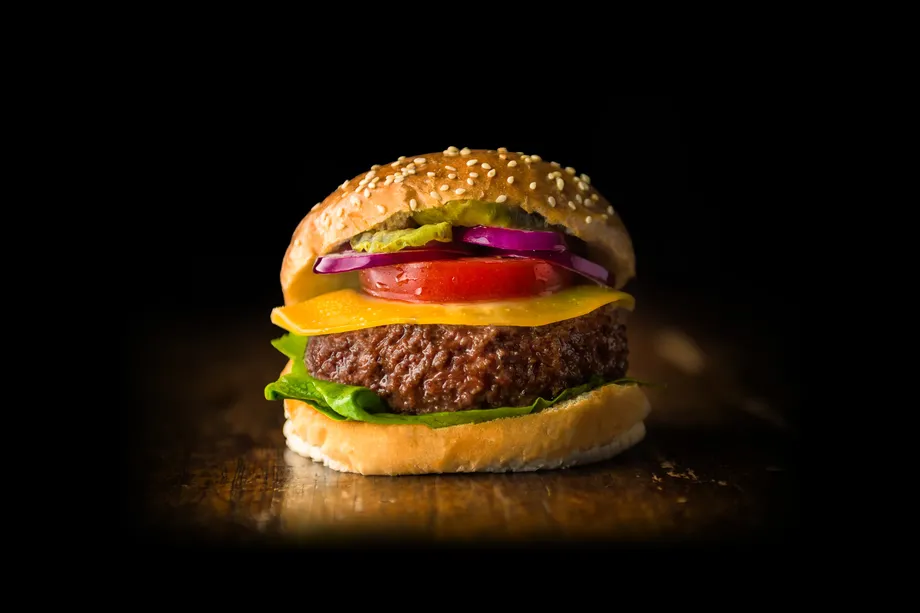
The organization also has a lot of ideas on how that money could be spent to improve plant-based meat, such as breeding higher protein crops and improving the fat profile of plants. And there’s no shortage of research to conduct around cell-cultured meat: meat made by growing animal cells in bioreactors, which is still in its infancy.
They’d also like to see $1 billion go to funding a network of alternative protein centers at universities, not unlike the land-grant university system that helped build today’s hyperefficient (though incredibly destructive) agriculture industry over decades by funding research and training the agricultural workforce.
Funding alternative protein research has already gained some momentum, propelled by groups like GFI and New Harvest; the USDA, the National Science Foundation, and the California legislature have all awarded small grants.
This argument has its skeptics. There has been a sense of fatalism in the air lately around the prospects of plant-based meat and dairy as sales stalled in 2021 after years of rapid growth, and some trials of plant-based meats at major fast-food franchises haven’t panned out as hoped.
But it’s only been a few years since the sector captured the public’s imagination as to what an alternative meat system could look and taste like. For decades, renewable energy was also seen as an impractical replacement, before costs began to drop drastically. Smith says it’s far too soon to count the meatless meat industry out.
“It’s not a commercial industry yet, so we can’t really talk about its death yet,” he said. “We have these basic plant-based alternatives, but we really don’t have great alternatives yet. We don’t have [products] that are jumping off the shelves because they’re just so good.”
Chloe Waterman at the environmental group Friends of the Earth says the government could also wield its multibillion-dollar food budget for good.
One place to start is in schools, where USDA policy strongly favors animal products. Schools are mandated to offer cow’s milk, and in 2019, over two-thirds of the $1.3 billion spent on school food through the USDA Foods program went toward animal products, accounting for virtually all of the program’s emissions.
Schools are making those orders, Waterman says, but there are few plant-based options for them to choose from. When schools do want to serve more plant-based food, there are a host of technical, financial, and regulatory barriers in their way.

The group recently scored a small win on this front: a child nutrition bill, which just passed out of a House committee, included a provision of $10 million in grants for schools that want to serve more plant-based food. Waterman said it’s “the first federal bill to make it through a committee that has referred to plant-based food.”
Some cafeterias at federal institutions, like hospitals, prisons, and military bases, have taken a recent interest in serving more plant-based food.
Against the enormity of pollution and suffering wrought by American factory farming, money for R&D and more variety in school meals feels woefully insufficient. And it is. But for the foreseeable future, these kinds of “quiet climate policy” measures, as Smith describes them, are probably the best we could expect from Congress.
At least for now, we can find hope in the local policymakers, from San Diego to New York to Washington, DC, who’ve committed to cutting their cities’ food emissions by serving up more plant-based meals. Somehow, they’ve figured out how to enter the meat vortex and make it out alive — and deliver truly climate-smart food policy.